From the Past to the Future of Cancer Medicine: Frankfurt Cancer Conference 2026
120 Years of Cancer Research – and an Idea That Lives On
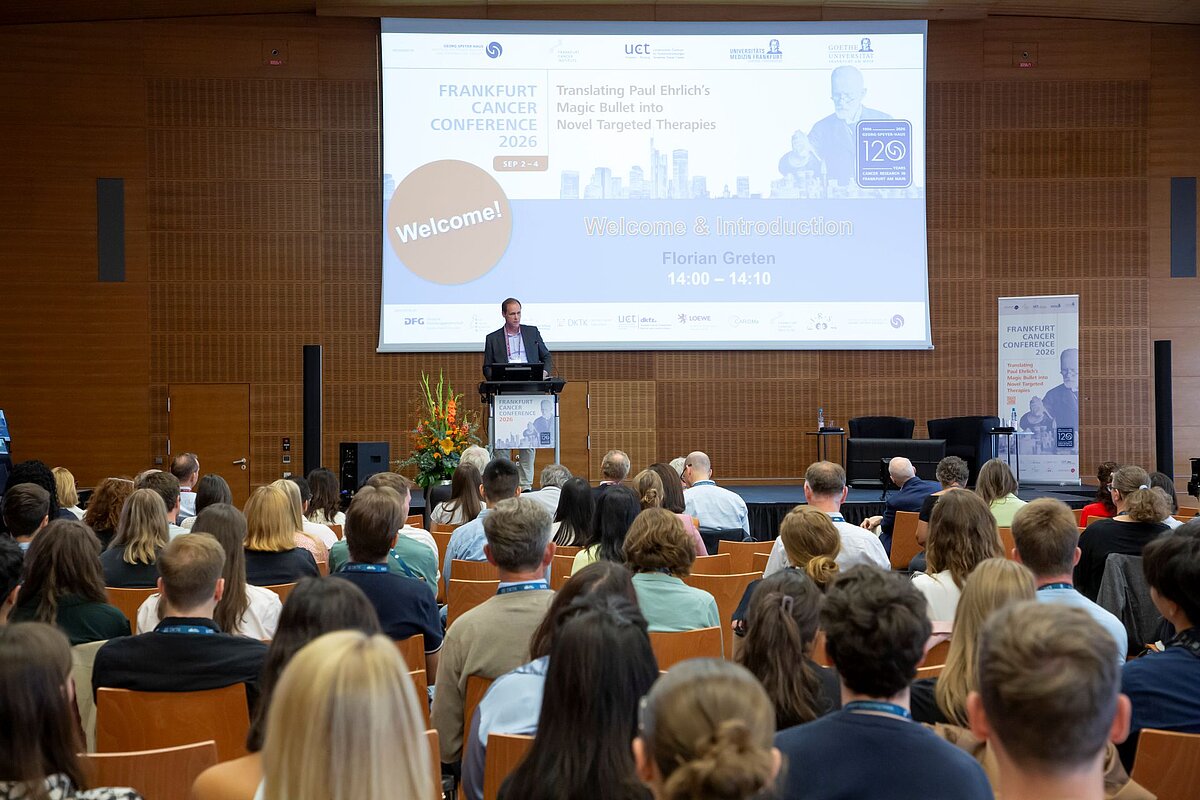
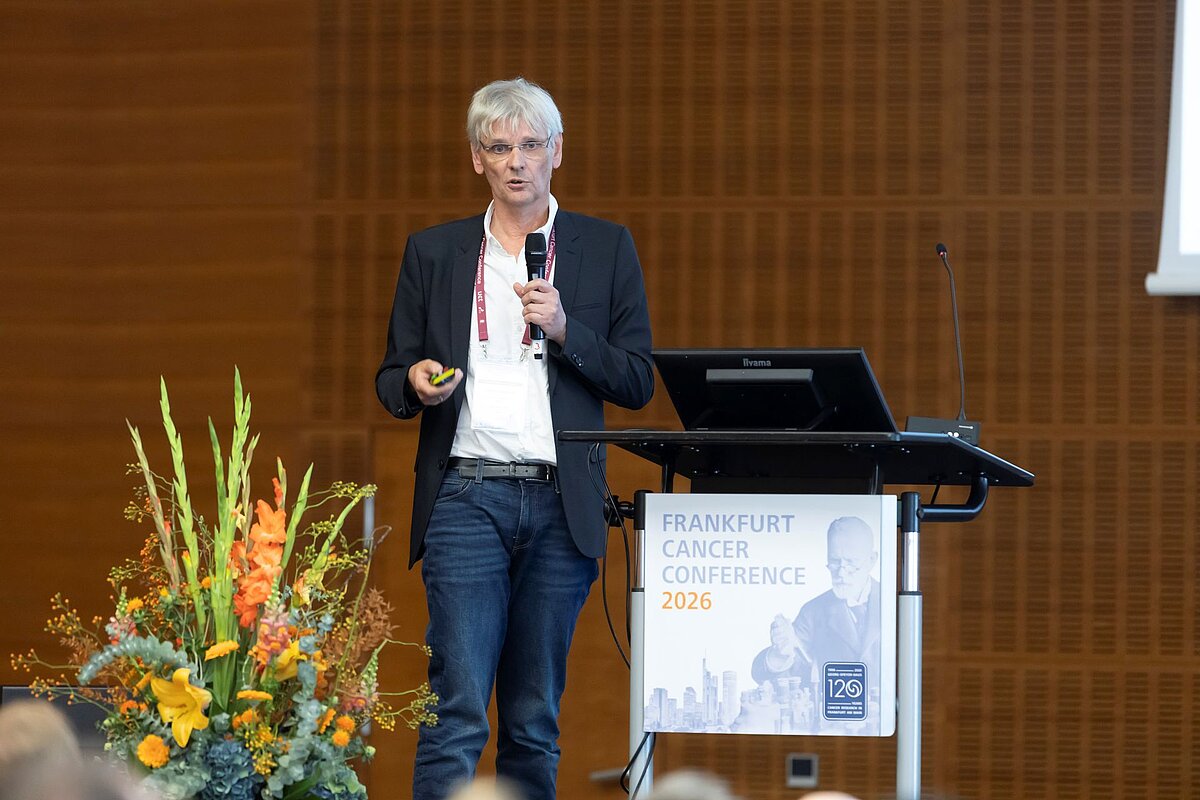
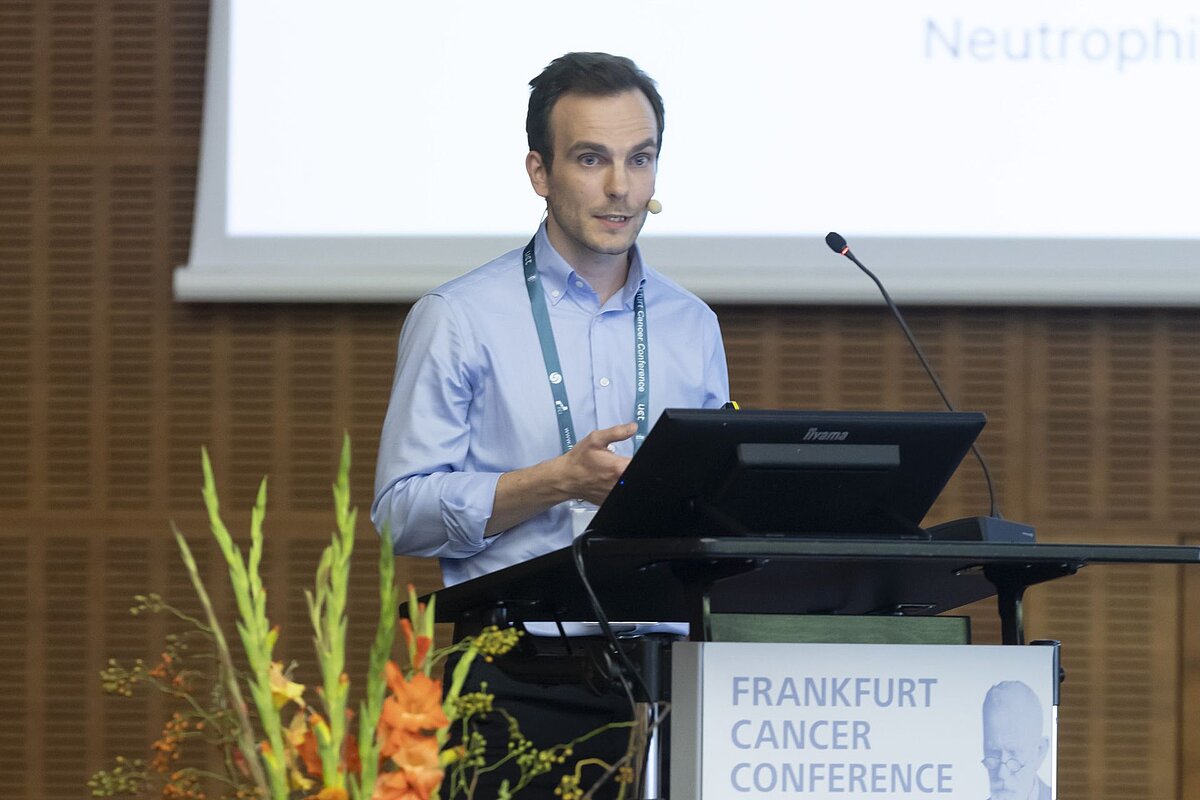
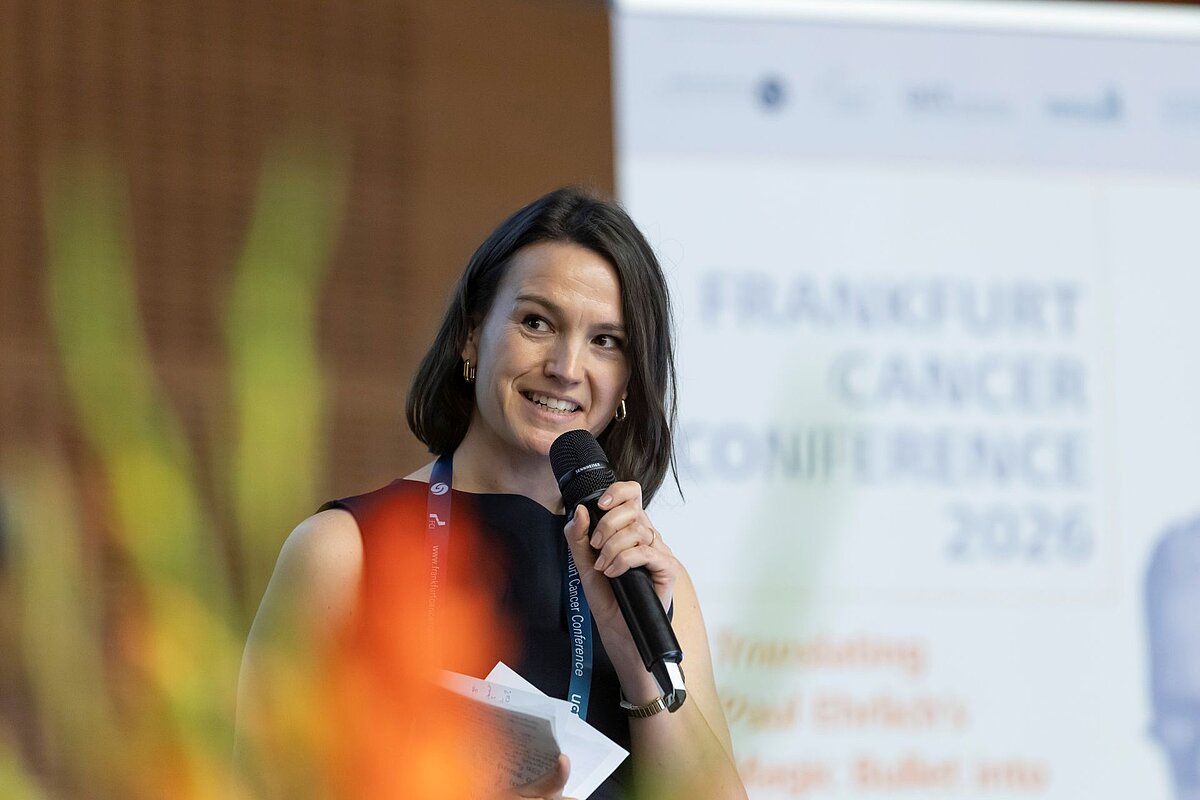
For the Georg-Speyer-Haus, this year’s Frankfurt Cancer Conference held particular historical significance. In his opening remarks, Prof. Dr. Florian Greten, Chair of the Organizing Committee, recalled the year 1906: the Georg-Speyer-Haus was opened that year under its first director, Paul Ehrlich. In the same year, the Institute for Experimental Cancer Research in Heidelberg began its work. The two openings provided the occasion for the first international conference on cancer research, which was jointly held in Heidelberg and Frankfurt. 120 years later, the Frankfurt Cancer Conference revisited this history. Its theme, “Translating Paul Ehrlich’s Magic Bullet into Novel Targeted Therapies,” placed a central idea of Ehrlich’s research at the heart of the conference: developing therapeutic agents that target disease-causing cells or structures as precisely as possible. Ehrlich later put this principle into practice, among other things, through the development of Salvarsan, one of the first drugs specifically directed against a disease-causing pathogen.
The “Magic Bullet” thus provided the historical point of reference for a question that continues to shape cancer research today: How can tumors be treated with increasing precision while translating insights into their biological characteristics into new therapies? What role do the immune system and the tumor microenvironment play? And how can findings from basic research be translated into new therapeutic approaches? These questions ran throughout the scientific program of the conference.
From Fundamental Mechanisms to New Therapeutic Approaches
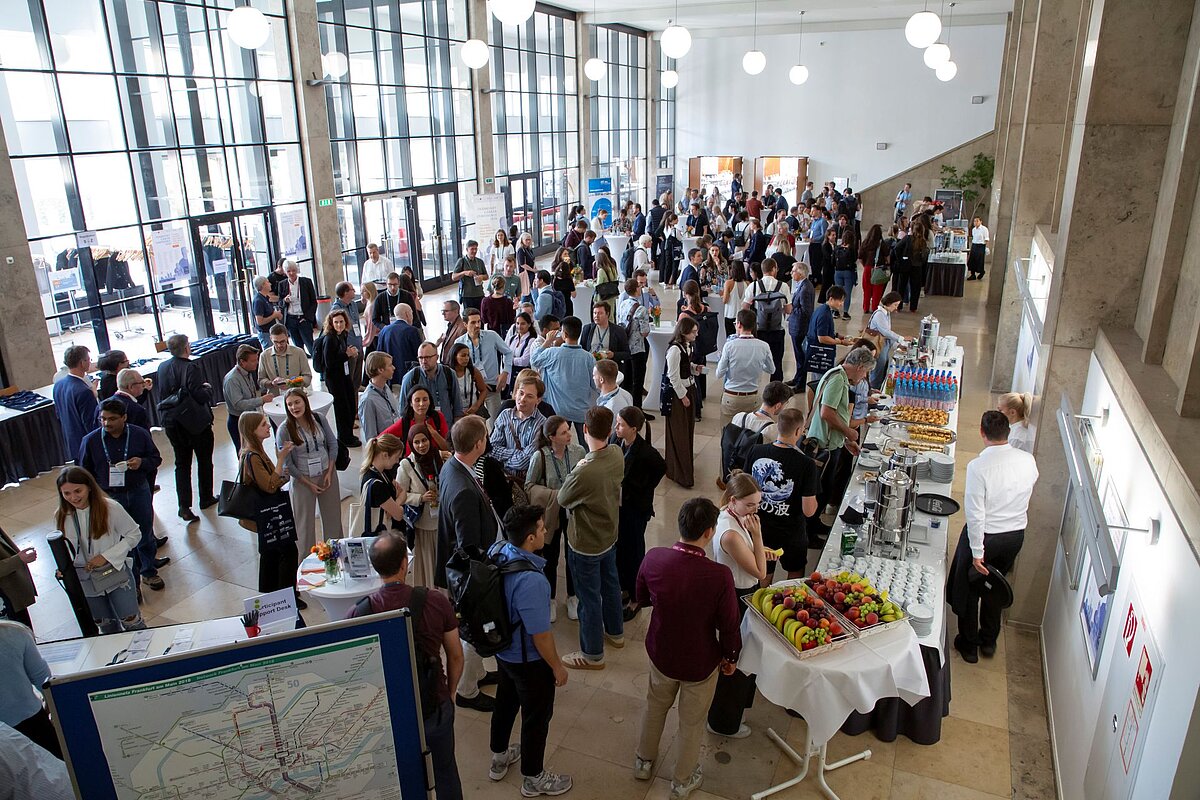
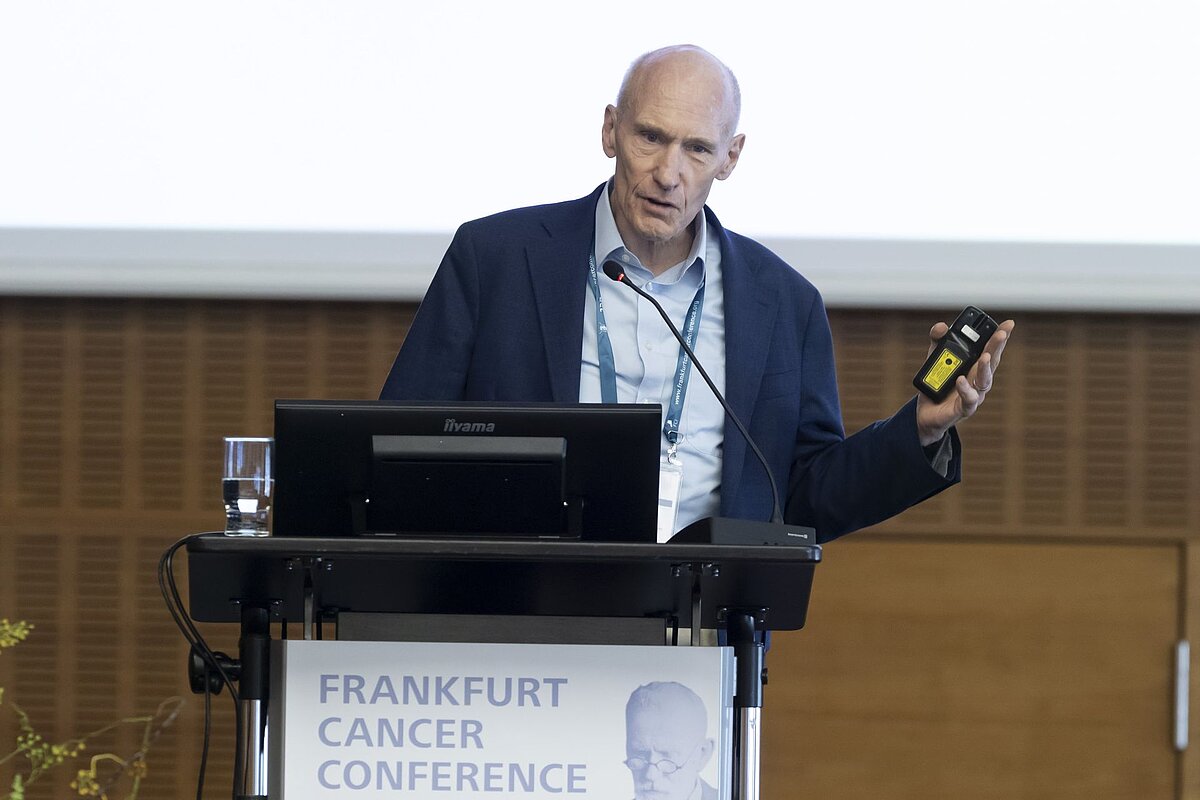
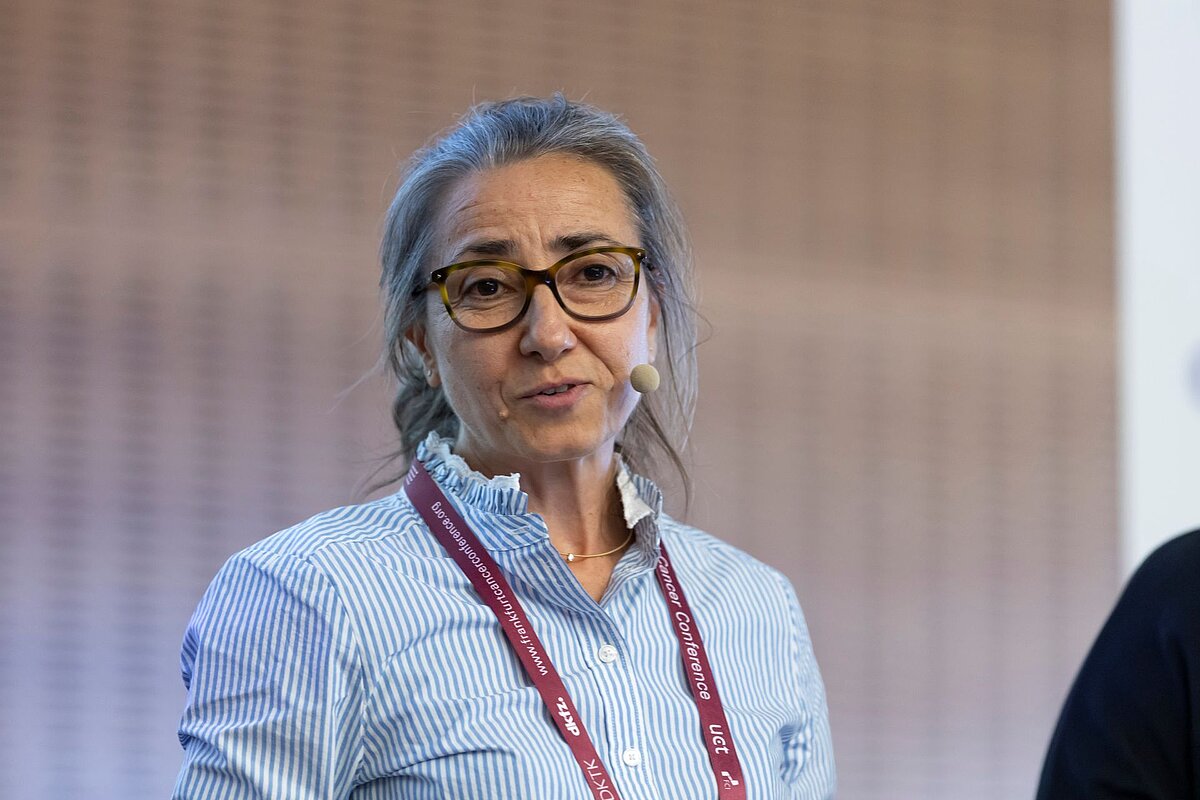
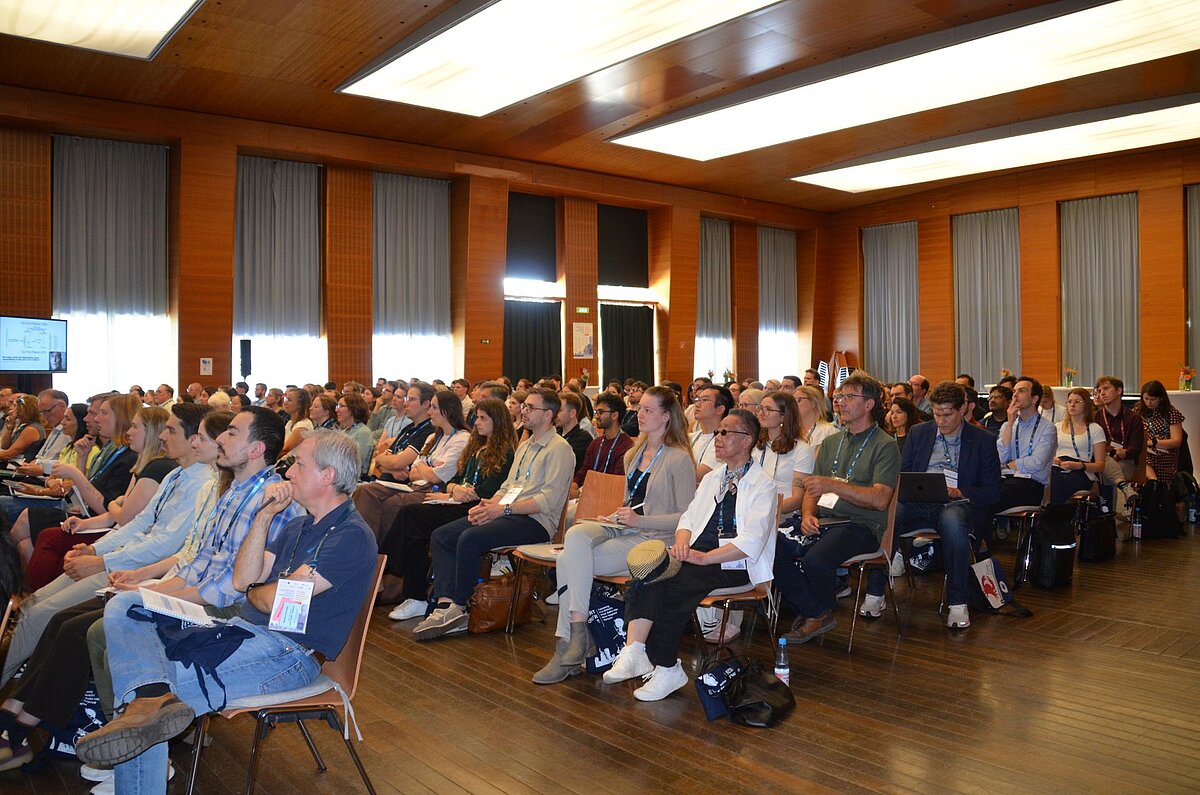
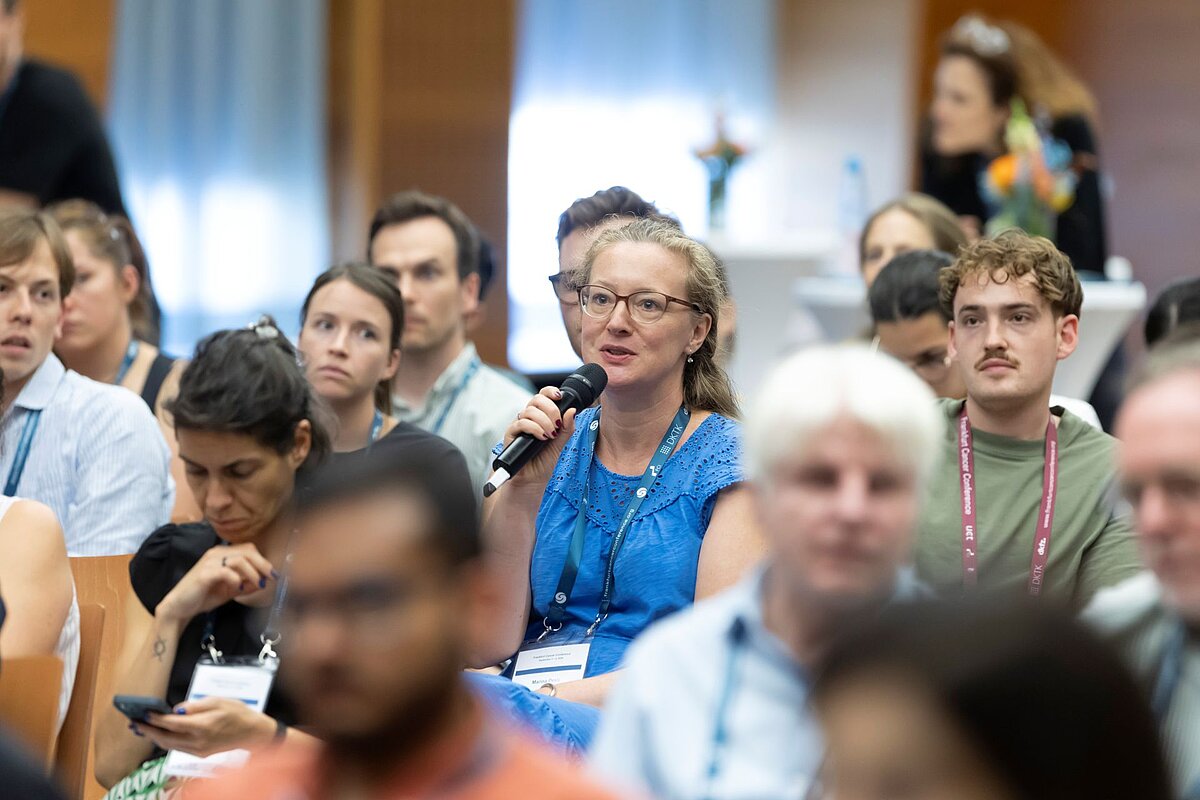
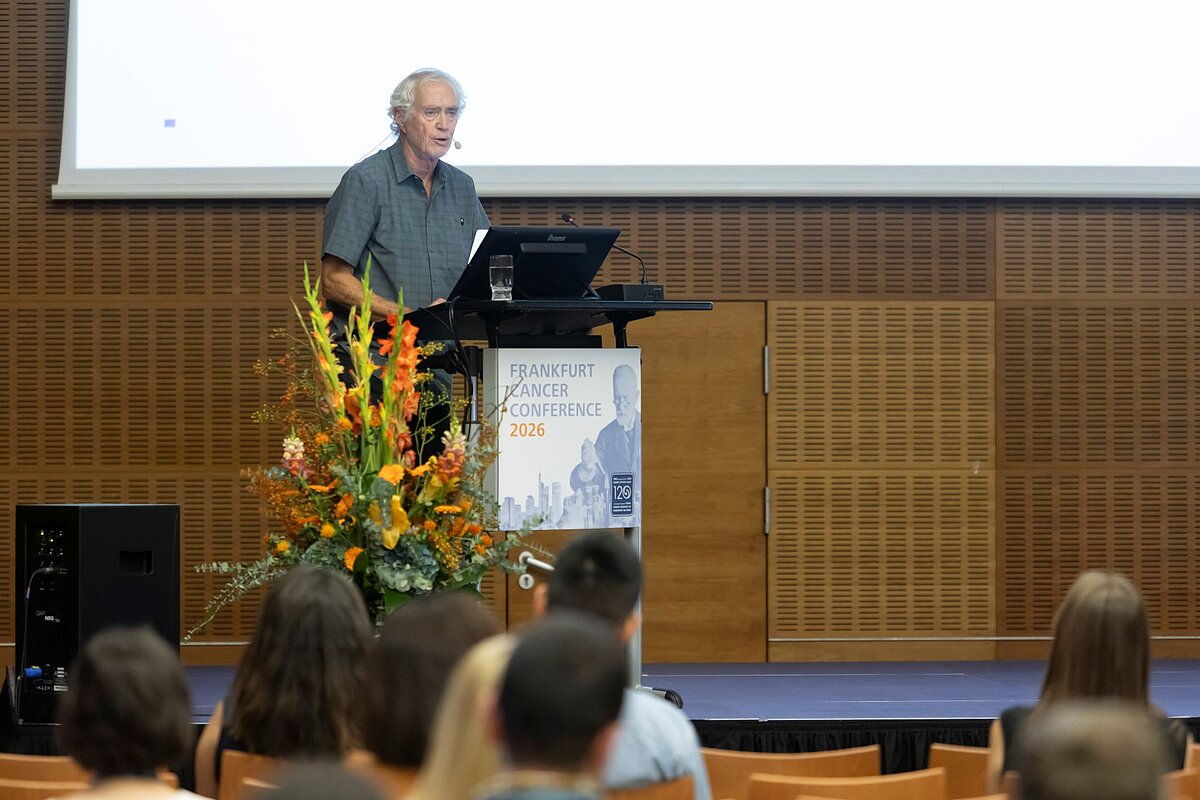
Two keynote lectures by Prof. Dr. Carl June (University of Pennsylvania, Philadelphia, USA) and Prof. Dr. Douglas Hanahan (Ludwig Institute for Cancer Research, Lausanne, Switzerland) framed the three-day conference. In nine scientific sessions featuring 35 presentations, participants discussed current developments and challenges in cancer research and therapy. Topics ranged from immuno-oncology and drug design to tumor plasticity and the microbiome, as well as hematological malignancies and metastasis. Across different tumor types, the program connected insights into fundamental biological mechanisms with translational and clinical questions.
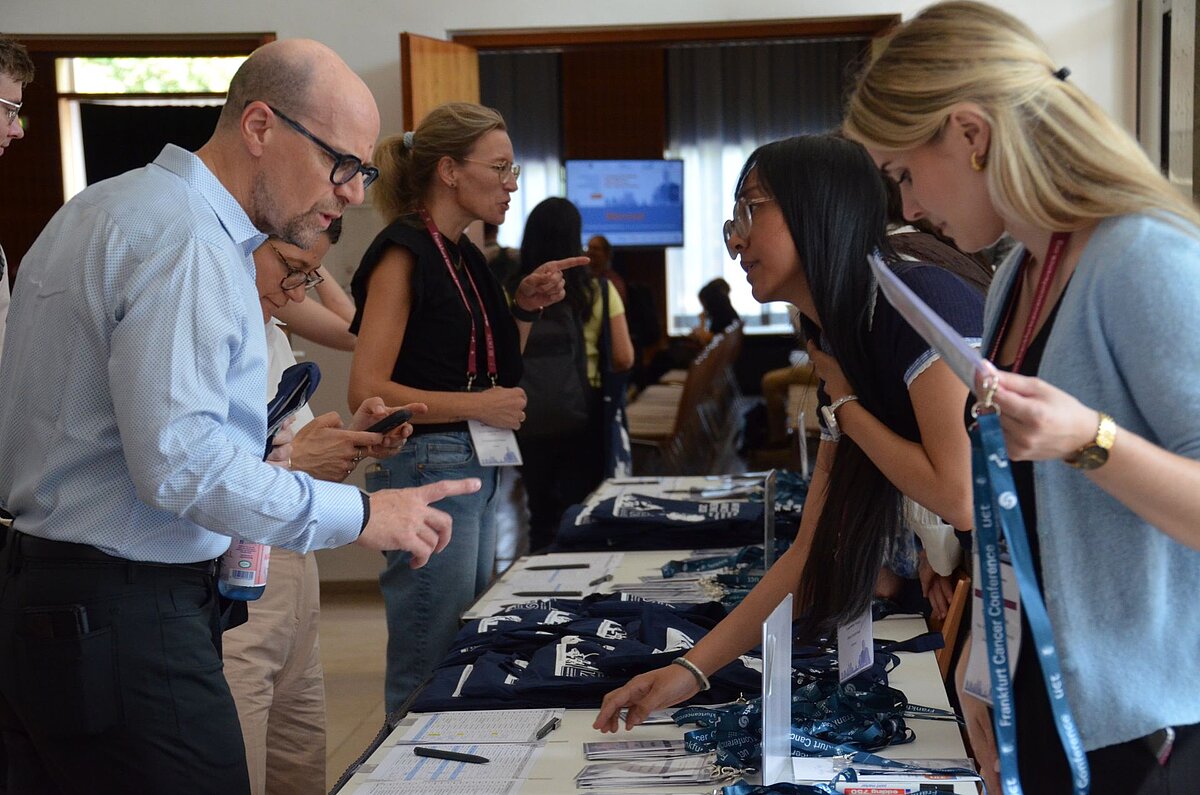
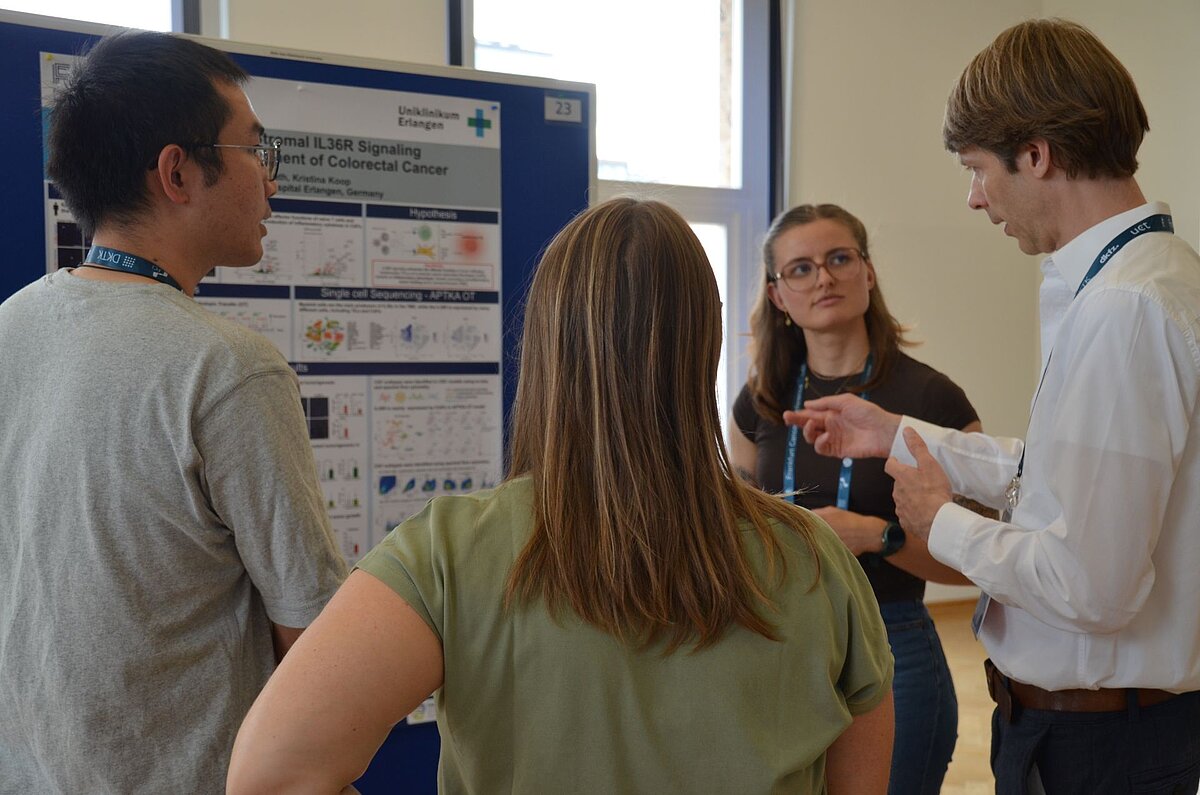
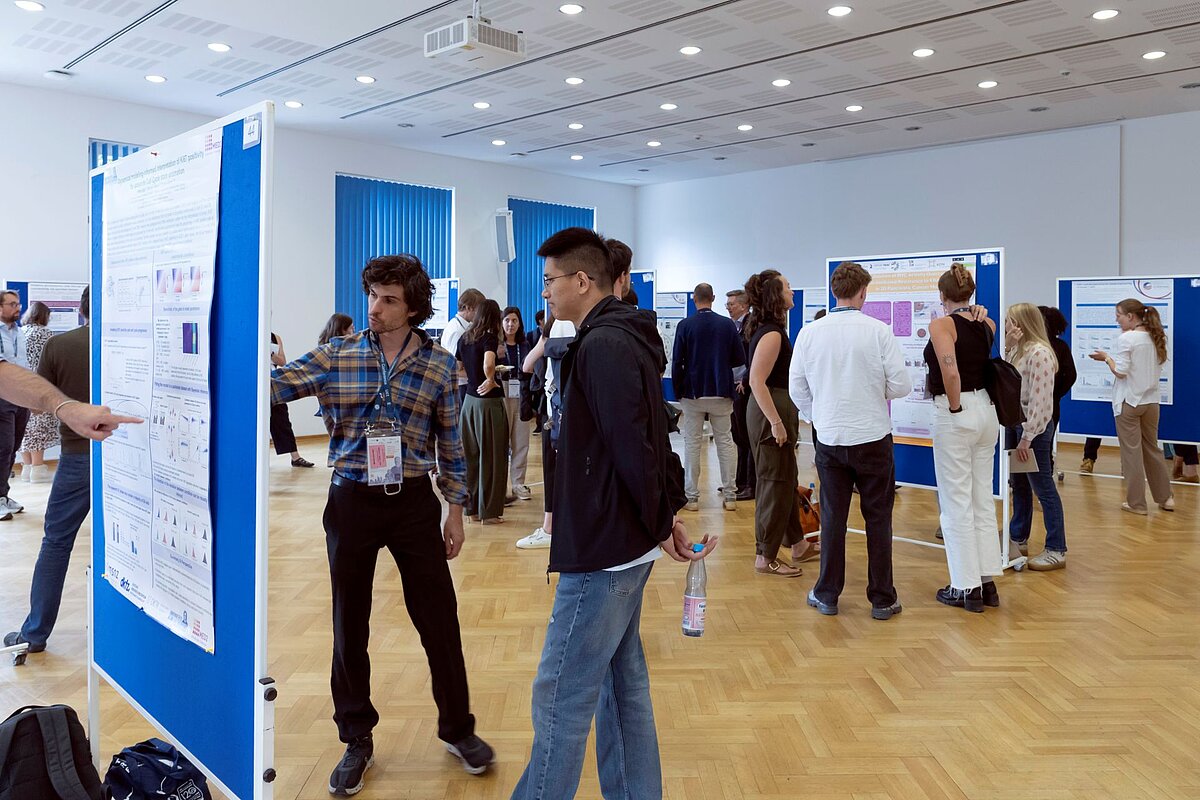
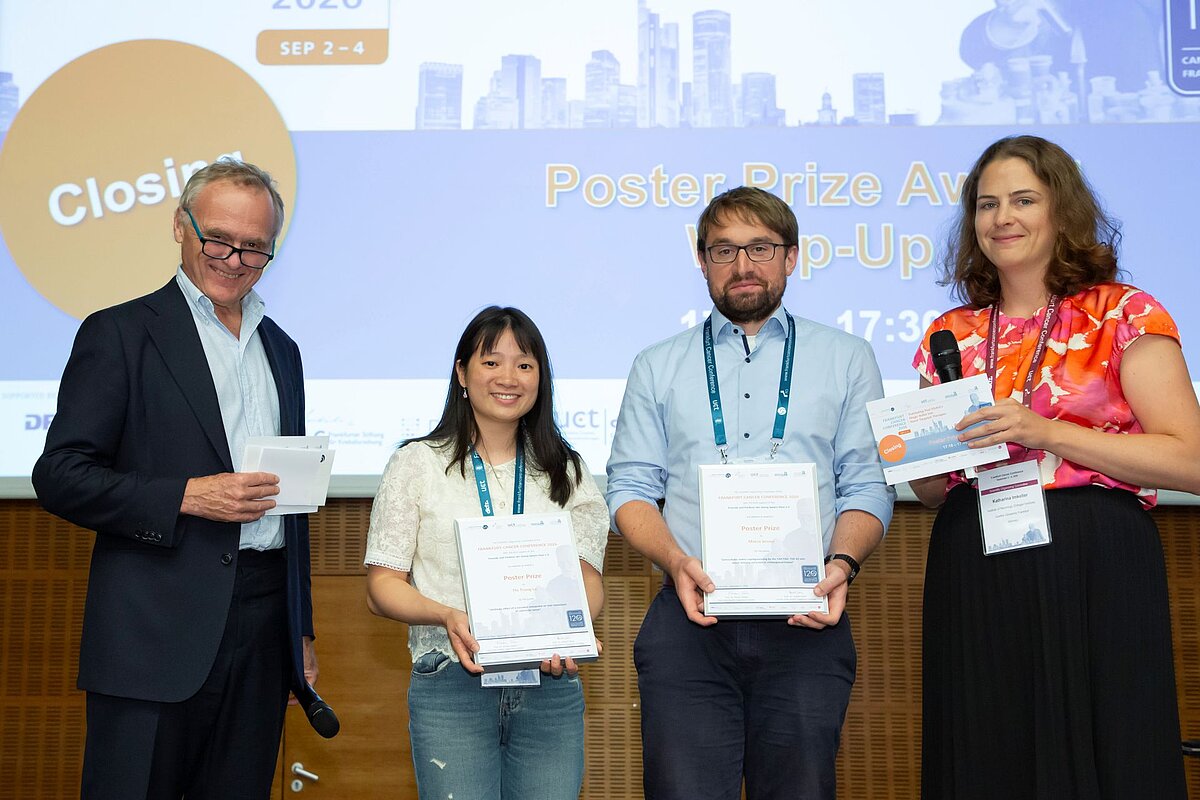
More than 100 posters complemented the scientific program and provided opportunities for in-depth discussion of current research. Marco Jessen from the Leibniz Institute on Aging – Fritz Lipmann Institute (FLI) in Jena and Thi Trang Le from Tübingen University Hospital received the poster awards for their contributions. The awards were sponsored by the “Freunde und Förderer des Georg-Speyer-Hauses”. We sincerely thank them for their generous support!
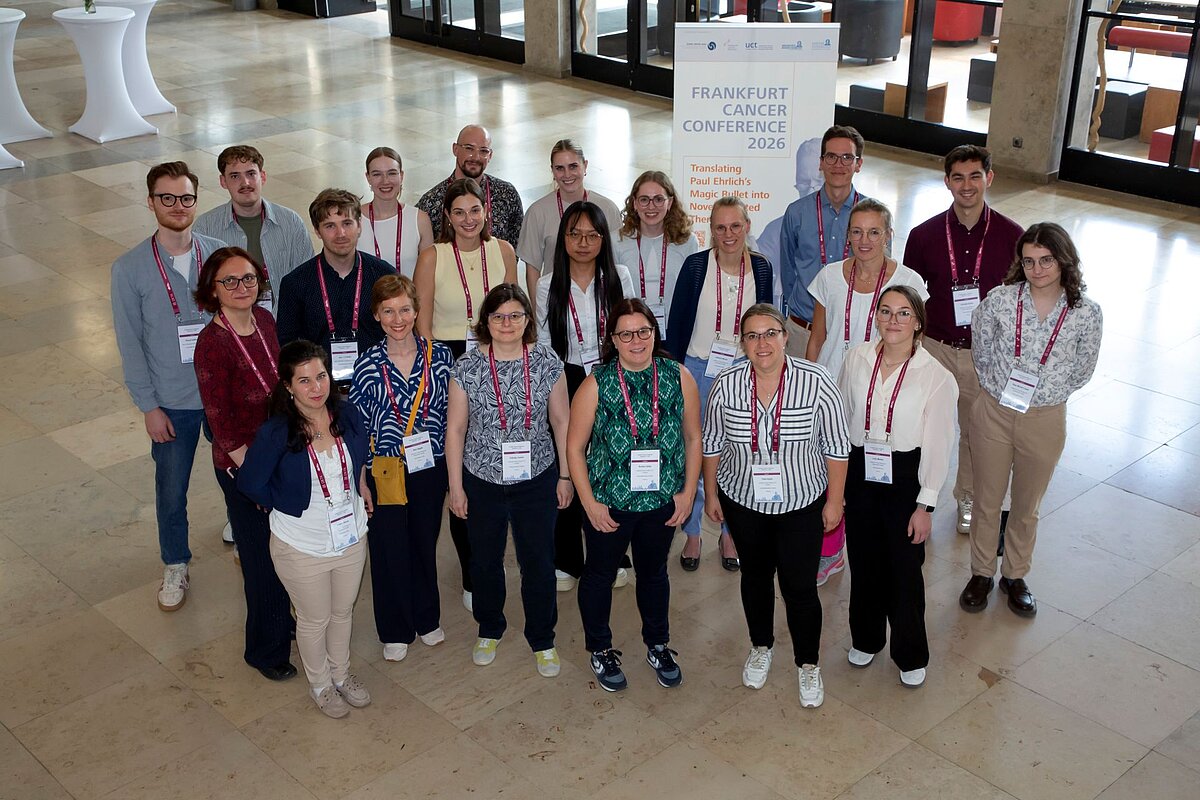
Supporting the next generation of researchers was also part of the program. A career event organized by the Mildred Scheel Career Center (MSNZ) Frankfurt-Marburg gave early-career researchers the opportunity to exchange ideas with Prof. Dr. Maria Sibilia (Medical University of Vienna, Austria) and Prof. Dr. Ihsan Ekin Demir (TUM University Hospital, Munich) about academic career paths.
The Georg-Speyer-Haus on and Behind the Scientific Stage
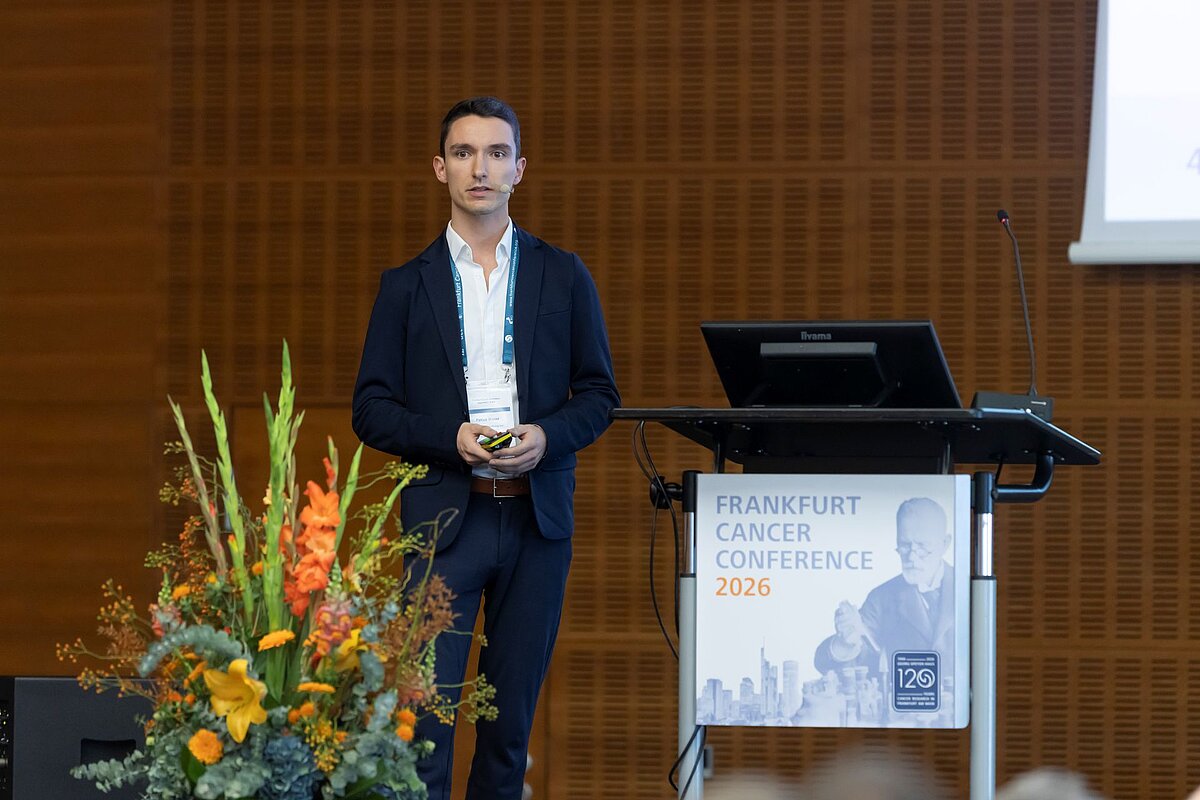
Researchers from the Georg-Speyer-Haus contributed to the three-day conference in a variety of ways: as members of the Scientific Organizing Committee, chaired by Prof. Dr. Greten, as session chairs. and through their involvement in poster evaluation and conference management. At the same time, researchers presented their own work in talks and posters. The abstract submitted by Patrick Wisser was also selected for a short talk, making it part of the scientific presentation program.
The Georg-Speyer-Haus was therefore involved across the full spectrum of the conference – from conceiving and organizing the program to moderating sessions, evaluating scientific contributions, and presenting its own research.
Connected Cancer Research in Frankfurt
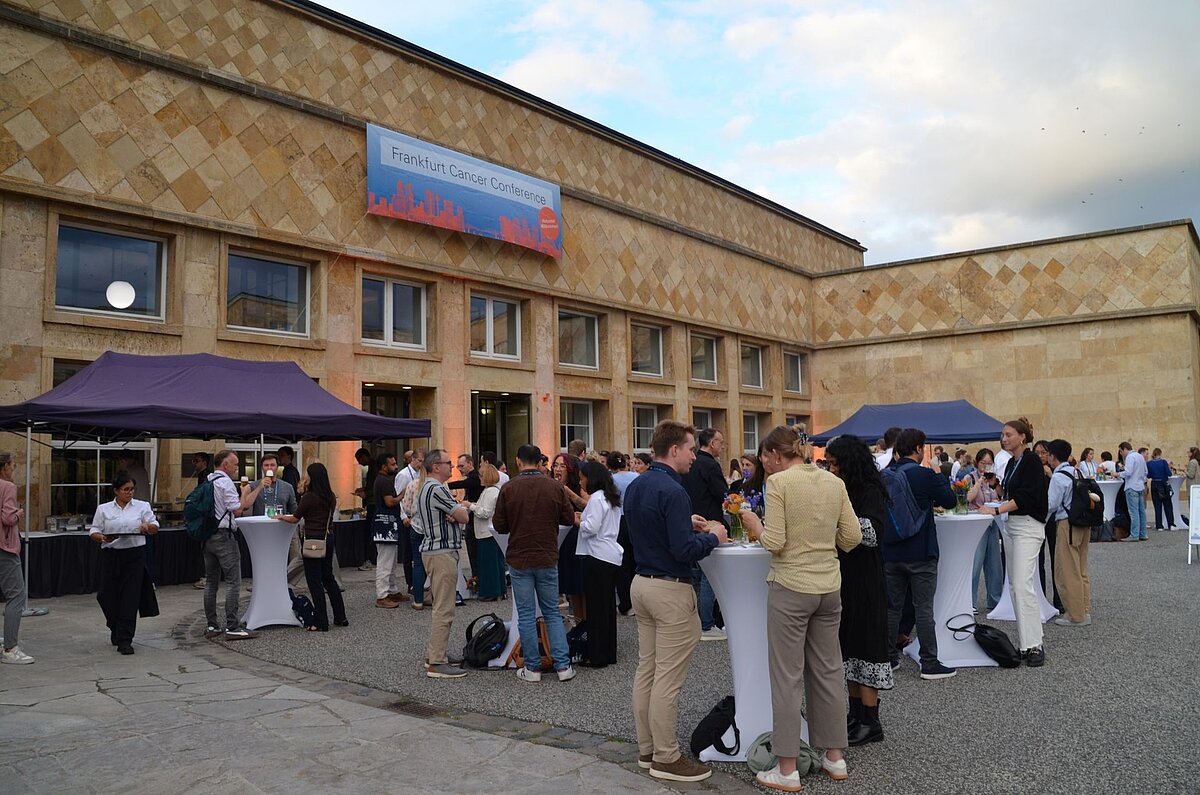
The Frankfurt Cancer Conference brought together basic, translational, and clinical cancer research. At the same time, it highlighted the close connections between cancer research at Goethe University, the Georg-Speyer-Haus, and other partner institutions within national and international research networks. These include the German Cancer Consortium (DKTK), the LOEWE Center Frankfurt Cancer Institute (FCI), and the LOEWE research focus CARISMa.
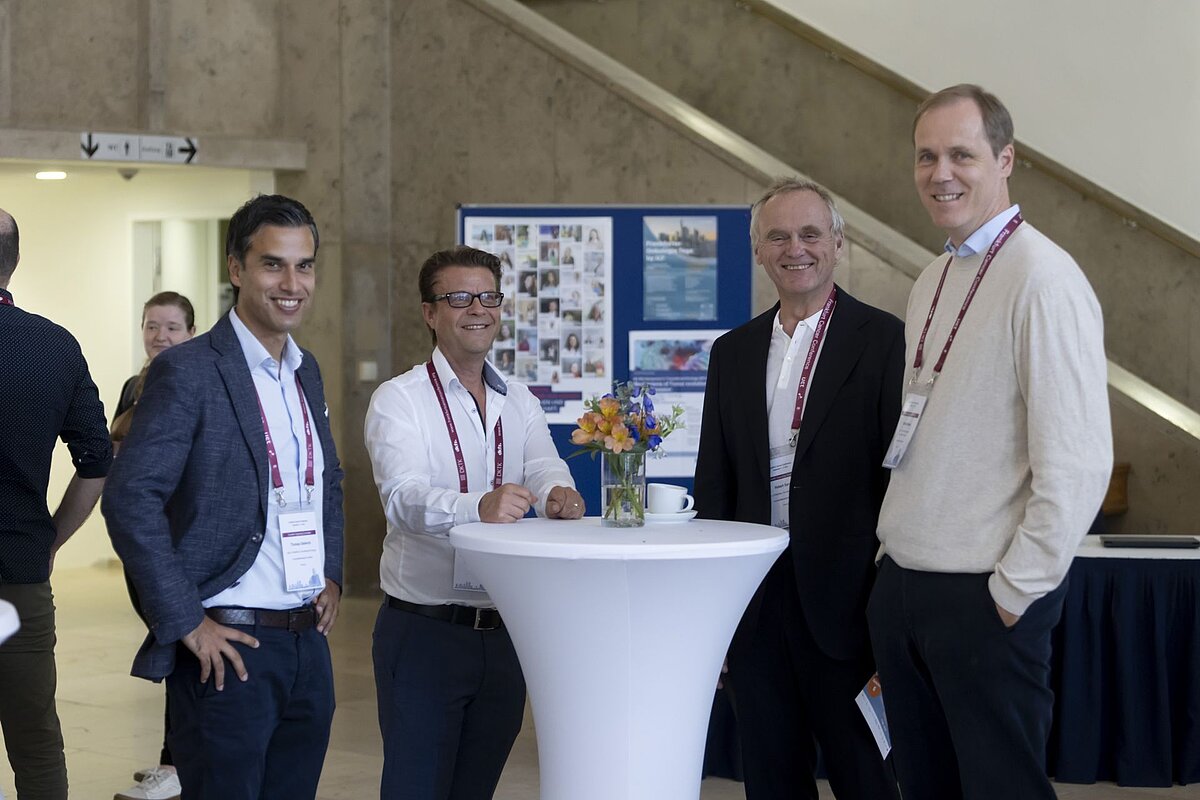
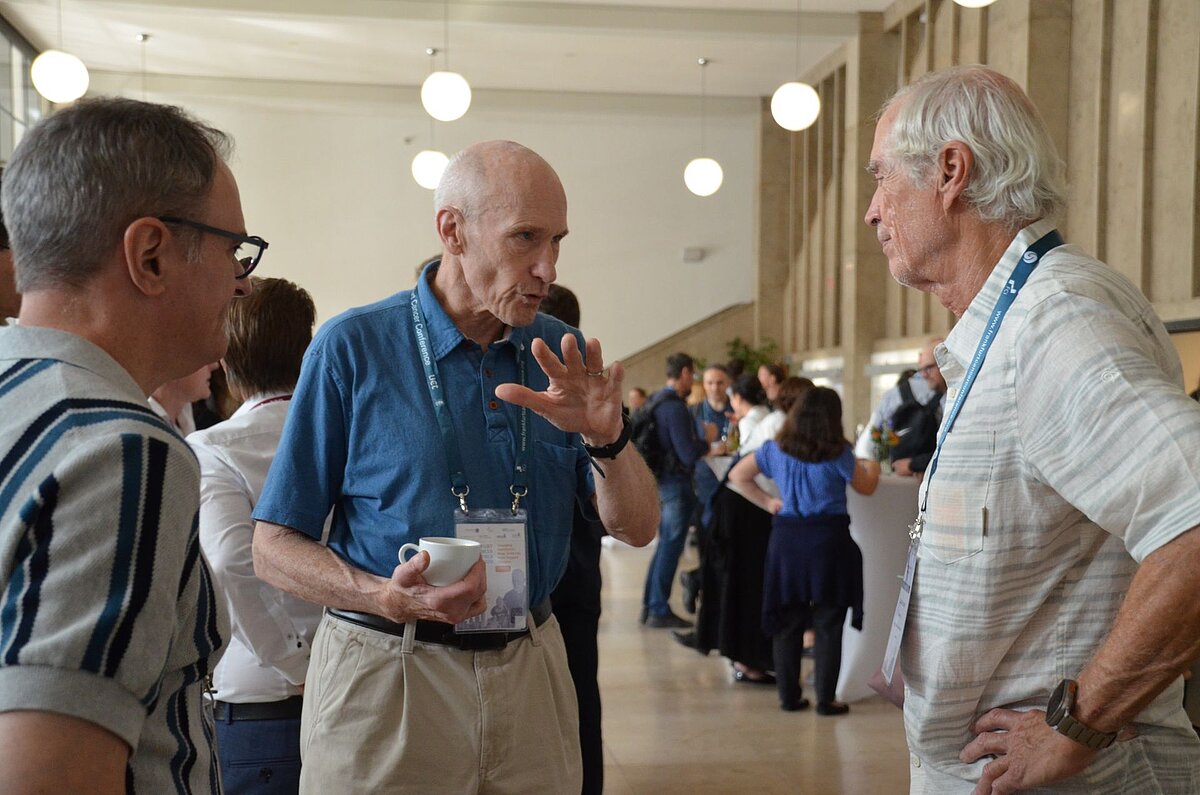
“The Frankfurt Cancer Conference highlighted the remarkable diversity of cancer research in Frankfurt and its strong connections to the international cancer research community. Bringing together scientists from different institutions, countries and disciplines created an excellent environment for exchanging ideas and fostering new collaborations to advance modern cancer therapies”, concluded Prof. Dr. Florian Greten.
More impressions can be found here: http://www.frankfurtcancerconference.org/.
Photo credit: Felicitas Cremer/UCT & Uwe Dettmar