
Our Team

After gaining her M.Sc. degree in Molecular Biology and Genetics at the Bogazici University in Istanbul, Canan moved to the University of Turin, where she completed her Ph.D. in 2002 in Molecular and Experimental Pathology with Guiseppe Poli. After her postdoctoral studies in Michael Karin’s laboratory at the Department of Pharmacology at the University of California San Diego, she became junior group leader in Internal Medicine at the Klinikum rechts der Isar of the Technical University of Munich in 2005, where she habilitated in 2010 in the field of Experimental Medicine and worked as a group leader at the Institute of Molecular Immunology from 2012 to 2013. From 2016 to 2020, Canan worked as a group leader at the Institute of Biochemistry II at Goethe University Frankfurt; since 2020, she has been a group leader at the Institute of Tumor Biology and Experimental Therapy at Georg-Speyer-Haus. In August 2023, she took up her position as Professor (W2 TT) of Tumor Metabolism at the Georg-Speyer-Haus. The professorship is funded by the LOEWE Center Frankfurt Cancer Institute (FCI). Her laboratory investigates metabolic changes in cancer with a particular focus on the regulation of the microbiome with special emphasis on circadian rhythms.



Dr. Szilvia Baron
Staff Scienstist, FCI Organoid Biobank
Dr. Szilvia Baron has obtained her master’s degree in chemistry at the University of Szeged (Hungary). Later, she joined the Laboratory of Cellular Transport Systems the Catholic University of Leuven (Belgium) and has completed her PhD studying the role of Secretory Pathway Calcium ATPases in calcium signaling. Between 2012 and 2017 she has worked as a postdoctoral fellow at the Weizmann Institute of Science (Israel), explored the molecular players of bacterial adaptation and solved the structure of type I Mycobacterium tuberculosis Fatty Acid Synthase. In 2017 she moved to the Tel Aviv Medical Center as Senior Scientist. Her investigations at the Pediatric Hemato-Oncology Research Laboratory focused on the tumor immune microenvironment of inflammatory conditions (IBD, JIA) and tumors (Ewing Sarcoma, Osteosarcoma, Lymphoma) in the pediatric population. She joined the FCI Organoid Biobank team as Staff Scientist in 2024 April and she is responsible for the operation and further development of the FCI Organoid Biobank.

Tierärztin

Müge Bozlar Müge received her Bachelor’s degree from the Department of Molecular Biology and Genetics at İhsan Doğramacı Bilkent University (Turkey) in 2019. She started her Master’s degree under the supervision of Asst. Prof. Bahar Değirmenci at İhsan Doğramacı Bilkent University. During her Master’s thesis, Müge mainly focused on the characterization of fibrogenic cells and the identification of original structures in the fibrotic liver. In June 2022 she joined Florian Greten’s lab as a PhD candidate. Currently, she is investigating cancer-associated fibroblasts and their cellular interactions with other components of the tumor microenvironment of colorectal cancer.

Mirja is a resident physician at the Department of General-, Abdominal-, Transplant- and Thoracic Surgery at University Hospital Frankfurt. Since February 2026 she conducts research as a “Clinician Scientist” investigating the predictive value of in vitro chemosensitivity of tumor organoids derived from primary colorectal tumors for clinical treatment response. Her work is supported by a research fellowship from the Mildred Scheel Early Career Center (MSNZ).

Fatih studied biology and obtained his MSc degree in molecular biology from Uludag University (Turkey). In 2002, he started his PhD in Ulf Rapp's group at the Institute of MSZ in Würzburg. During his thesis work, he focused on the role of MAPK signaling in murine lung cancer. In 2008, he obtained his PhD degree and continued to work as postdoctoral research scientist in the same laboratory at the Max-Planck-Institute in Martinsried. In 2012, he moved to Owen Sansom's lab as a senior postdoctoral fellow to perform research on colorectal cancer at the Beatson Institute for Cancer Research in Glasgow (UK). In December 2015, he joined the Greten lab as a staff scientist to continue working on human colorectal cancer.
Suwadou Conthe

Maria Correia da Silva Melo has studied Molecular Genetics and Biomedicine, Nova University of Lisbon, Portugal, where she absolved her Master thesis on the ‘Characterization of doxorubicin-sensitive and resistant colorectal cancer cell spheroids’. In her current PhD project she investigates the epithelial-mesenchymal interactions in 3D colon cancer models using single cell analyses and microscopic read-outs.
Katharina studied Pharmacy at Goethe University Frankfurt and completed her practical training year in organic chemistry at the Institute of Pharmaceutical Chemistry at Goethe University Frankfurt. During her practical year, she worked on the organic synthesis of small molecules as ligands for the serine/threonine protein kinase VRK1 and the phosphorylase b kinase gamma catalytic chain (PHKG1). Since April 2026, she has been a PhD candidate in the Oppermann Lab, where her research focuses on image-based ex vivo drug testing of acute myeloid leukemia (AML) cells from pediatric patients in the field of functional precision oncology.


Tahmineh Darvishi has obtained her Diploma in Biology in 2003 from the Goethe University Frankfurt. During her previous work at the Georg-Speyer-Haus as a research technician in the lab of Professor Groner she gathered experience in various molecular and cell-culture related techniques. Since 2014, she works as a lab manager in the group and supports our research projects.


Dr. Christopher Dietz-Fricke
Clinician Scientist
Christopher studied medicine at Würzburg University and obtained his medical degree in 2020. He also completed his MD-thesis at Würzburg University in the Department of anesthesiology. In 2021 he began working as a physician at Hannover Medical School in the Department of Gastroenterology, Hepatology, Infectious Diseases and Endocrinology with a focus on Hepatology and Gastroenterology. He joined the Greten Lab in March 2024 to focus on paracrine mechanisms of chemotherapy resistance.


Julian obtained his Bachelor’s and Master’s degrees in Bioinformatics at the Goethe University in Frankfurt and continued on as a PhD student under Prof. Dr. Ebersberger in the group for Applied Bioinformatics in 2018 where he worked in the field of comparative genomics. During his thesis, he focused on in silico protein comparison in evolutionary studies as well as in the field of alternative splicing. He joined the Greten lab as a Bioinformatician in February 2024 to assist in computational analysis and develop pipelines for single-cell RNA-seq data integration.

I completed my Bachelor’s and Master’s degree in Biotechnology and Animal Physiology at University of Science (Vietnam) in 2012. During my master, I worked in Laboratory of Stem Cell Research and Application as research staff to study breast cancer on mouse model. I moved to Germany when I received the scholarship for PhD student at Max Planck Institute for Molecular Physiology from 2012 to 2016. In 2020 I worked for a start-up company in Frankfurt, especially focusing on iPSC and cardiac-organoids. Since June, 2023, I joined the Greten lab as a technician.

Doktorandin

Esther Engel studied Biology at the Leibniz University Hannover and received her diploma in 2007. After that she worked for several institutes, especially focusing on in vivo models. Since September 2019 she joined the Greten lab funded by the LOEWE Center Frankfurt Cancer Institute examining therapy response of rectal cancer patients.


Henner received his Ph.D. from the Medical University Hannover (laboratory of Andreas Kispert) and then studied intestinal stem biology in the laboratory of Hans Clevers (Utrecht, NL). He joined the GSH in 2014 as a DKTK junior group leader and since 2019 coordinates the FCI organoid biobank. In 2025 he has been appointed as Heisenberg Professor for ‘Explorative Models for Human Colorectal Cancer’. His group studies the signaling crosstalk in the colon cancer microenvironment using patient-derived organoids and stromal co-cultures to identify mechanisms that affect therapy responses.


Gautami completed BSc (Blended) in Bioscience, a special degree granted by Savitribai Phule Pune University (India) and designed by University of Melbourne (Australia). Later during the training at IISER Pune (India), she studied the role of Api5 protein in breast carcinogenesis and explored her joint interest in molecular and cancer biology. In 2023, she was awarded with Master of Molecular Biology degree from The University of Queensland (Australia) and her master’s thesis focused on molecular profiling of mixed ductal-lobular carcinoma- a rare subtype of breast cancer. In her current PhD project, she is investigating the complex tumor microenvironment to trace efficacy of conventional chemotherapies and vasculature targeting agents in breast cancer with multi-omics approach. Gautami joined the laboratory in February 2024.


Thorsten Geyer is the specialist for occupational safety at the institute and advises the employees and responsible group leaders in all matters relating to occupational health and safety. As radiation protection officer, he is responsible for organizing the relevant facilities and communicating with the supervisory authorities.

Johanna obtained her Bachelor's degree in Biology at TU Darmstadt and then switched to Goethe University Frankfurt to continue with a Master's program in Molecular Medicine. After an internship at the Karolinska Institute in Stockholm, she completed her Master's with a thesis on CEA-specific chimeric antigen receptors, working in Prof. Buchholz's lab at the Paul-Ehrlich-Institut in Langen. In July 2023, she joined the Greten lab as a doctoral researcher, focusing on cell therapeutic approaches to treat colorectal cancer, continuing to work in collaboration with the Buchholz lab.


Prof. Dr. Florian Greten
Director / Research Group Leader

Svenja earned her bachelor's degree in biology at Goethe University in Frankfurt. She wrote her bachelor's thesis at the Max Planck Institute for Heart and Lung Research in Bad Nauheim. She also remained in Frankfurt to pursue her master's degree in Physical Biology of Cells and Cell Interactions. After a semester abroad at the University of Barcelona, she completed her master's degree with a thesis at the Paul -Ehrlich-Institut in Langen. In October 2025, she began her work as a doctoral researcher in the Seehawer laboratory. Here, she is investigating the development of bladder cancer in the context of histone modifiers.


Andrea obtained his Bachelor’s and Master’s degrees in Molecular Biotechnology at the University of Turin (Italy). His main focus was the role of the microenvironment in breast cancer progression and during his internship at Uppsala University he studied Intrinsically-disordered regions (IDR) mediated protein interactions. After graduating, he moved to the University of Iceland to study the mechanism of transcriptional regulation on the single-molecule level. In October 2023 he joined Florian Greten’s lab as a PhD candidate.

After earning a bachelor's degree in Biotechnologies from the University of Versailles in 2007, Alan began working at the French National Center for Scientific Research (CNRS) in Orléans. There, in the laboratory of Professor Claudine Kieda, Alan contributed to developing a cell-mediated gene therapy targeting tumor angiogenesis. In 2013, Alan joined the laboratory of Dr. Philippe Chavrier at Institut Curie in Paris, where he focused on studying the transition of ductal carcinoma in situ (DCIS) to invasive breast carcinoma. In 2017, Alan relocated to Lausanne, Switzerland, to become the lab manager in Professor Michele De Palma's laboratory. He played a key role in researching the tumor microenvironment in lung cancer and in developing a new dendritic cell vaccine approach (EVIR). By 2024, Alan joined Professor Arkan's lab as a research technician.

Anika completed her Bachelor’s degree in Molecular Biology at Johannes Gutenberg University in Mainz. As part of her Bachelor’s thesis, she worked in the lab of Dr. Anton Khmelinskii at the Institute of Molecular Biology in Mainz, where she investigated protein degradation via the ubiquitin-proteasome system. Following a semester abroad at Umeå University in Sweden, she completed her Master’s thesis at TRON in Mainz, under the supervision of Dr. Ayline Kübler. There, she investigated the chronic stimulation of natural killer cells by an activating ligand, and its potential role in the exhaustion of immune cells. In July 2026, she joined the research group of Dr. Máté Kiss as a PhD student to investigate the interactions between tumours and neutrophils and to identify regulatory signalling pathways.


Young Soo obtained her Bachelor’s in Chemistry and Master’s in Medical Pharmaceutical Sciences at the University of Groningen. For her Master's thesis, she focused on applying nanotechnology in the context of drug delivery and targeting to improve the efficacy of nano-based therapies in oncology. She joined Mélanie Tichet’s research group as a PhD researcher in June 2024. Her PhD projects dive into characterizing the myeloid-derived suppressive cell (MDSC) population to propose remodeling strategies that will potentially improve the effectiveness of immunotherapy.

Christian Issing is a resident at the Department of Otorhinolaryngology, Medical University Frankfurt and he obtained his MD in 2021 on a research project on clinical improvement of cochlear implant therapy. Christian has joined the group in 2020 as clinician scientist on a project on derivation and characterization of organoids of head and neck tumors. His project is funded by the Frankfurt Cancer Institute and the Mildred-Scheel-Nachwuchszentrum (MSNZ) program and aims to develop new preclinical tumor models.


I am Zeynep from Istanbul, Turkey. I obtained my Bachelor's degree in Genetics and Bioengineering from Yeditepe University in 2019. I then pursued a Master's degree at Boğaziçi University, where I worked under the guidance of Dr. Tolga Sütlü. My Master's thesis focused on the co-receptor-mediated regulation of T-cell receptor signalling in natural killer cells. In June 2023, I joined AG Arkan as a Ph.D. student. My current research is focused on unravelling the connection between dietary patterns and the structure and function of the microbiota during cancer and its treatment, with a special interest in understanding the intricate mechanisms of immune responses. I enjoy travelling, film festivals and art galleries in my spare time.

Kilian studied medicine at the University of Heidelberg and received his degree in 2019. During his studies, he joined the translational surgical oncology research group of Prof. Martin Schneider at the Department of General, Visceral and Transplantation Surgery at Heidelberg University Hospital. There, he studied the role of HIF-Prolyl hydroxylases in the development of colitis-associated carcinoma. Kilian joined the Greten lab in September 2019 as a PhD candidate and is currently investigating into the role of cancer-associated fibroblasts as well as deubiquitinating enzymes in colorectal cancer.

Sara Khosraviseftejani
Technische Assistentin
Sara Khosraviseftejani obtained an Bachelor's degree in Medical Laboratory Science at the Shahid Sadoughi University of Yazd and graduated with a Master's degree in Medical Microbiology at the Hamedan University of Medical Science in Iran. In Munich she started as research assistant in 2021 on several projects on breast cancer and vaccine development. At the Georg-Speyer-Haus she joined the Greten group in June 2023 as technical assistant.

Felix is the laboratory manager for the Transgenic Core Facility (TCF) and the Grote research group. He completed his training as a Biological Technical Assistant (BTA) at the Johannes Gutenberg School in Heidelberg. With his expertise in molecular biology techniques, he provides key support to both the TCF and the Grote research group in the generation of new transgenic stem cell lines and their molecular characterization.

Máté Kiss obtained his medical degree in 2015 from the University of Debrecen, Hungary, where he conducted research in the lab of Laszlo Nagy during his studies. He completed his PhD in 2020 in the field of cancer immunology at the Free University of Brussels, Belgium under the guidance of Damya Laoui and Jo Van Ginderachter. He then joined the lab of Mikael Pittet at the AGORA Cancer Research Center in Lausanne, Switzerland as a postdoctoral researcher and focused his research on the regulation of neutrophil function in cancer. He joined the Georg-Speyer-Haus in 2026 as a group leader.
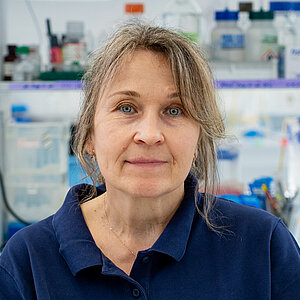
Karina Klaka

Annette Klemke
Flow Cytometry Unit


Lejla obtained her Bachelor’s and Master’s degrees in Biology – Genetics from the University of Sarajevo. In 2024, she joined the Institute of Neurology (Edinger Institute) at University Hospital Frankfurt as a PhD student. Her work focuses on the spatial and functional characterization of lymphoid structures and the tumor microenvironment in brain tumors through the application of spatial technologies. In early 2026, she moved to the Georg-Speyer-Haus to continue her doctoral research, affiliated with the Spatial Biology Core Facility.


Christian earned his Bachelor’s and Master’s degrees in Molecular and Applied Biotechnology at RWTH Aachen University, including an exchange semester at Kyoto University, Japan. For his Master’s thesis at the University Hospital RWTH Aachen, he worked on developing 3D organoid models incorporating immune cells. In January 2026, he joined the Greten Lab as a PhD student within the TRR417 consortium. His research focuses on modulating cancer-associated fibroblast (CAF) plasticity to improve immunotherapy for colorectal cancer.

Janne Kühner
Doctoral Researcher

Hana Kunkel joined the Greten lab in 2016 and is responsible for lab management.


Marco Lolies
Marco Lolies
Marco completed his training as an Animal Care Technician (for research and medicine) at Provadis/Sanofi in 2013. He then joined the Max Planck Institute in Bad Nauheim, where he was responsible for the breeding, husbandry, and experimental support of laboratory animals for several research groups. In 2016, he joined the Georg-Speyer-Haus as an Animal Care Technician, where he also supervises the MRT. Since 2018, he has continued to support the MRT on a part-time basis while studying Biology at Goethe University Frankfurt.

Jennifer earned her PhD in Molecular Virology from the University of New South Wales, Sydney. After postdoctoral research at the German Cancer Research Center (DKFZ), where she developed nanobodies as antivirals against norovirus, she joined the Edinger Institute at Frankfurt University Hospital in 2021. There, she and her colleagues established the Spatial Biology Lab and used spatial technologies to study the tumour microenvironment in brain tumours, with a focus on tertiary lymphoid structures. In 2026, she moved to Georg-Speyer-Haus, where the lab now operates as a core facility and she continues her research.

Hola, this is Angeles from Gran Canaria, Spain but living abroad for so many years already. I started my adventure at Coventry University where I got my BSc in Biology, after that I moved to Germany and - coincidence of life - GSH was the first place where I started to work in the lab of Dr. Manuel Grez´ group. My deep knowledge working as a Lab Research Assistant was acquired at Max Planck Institute for Brain Research at Dr. Gilles Laurent´s group where molecular biology and cell culture techniques together with working with turtles and lizards was my focus. Now I am here again being part of GSH and having the opportunity to get further in my career and working with in vitro tool systems to model host-microbiome interaction. As I am coming from an Island, I love to spend my time outside with friends and meeting people from different countries.

Lucie Maerky
Doctoral Researcher
Lucie Maerky
Doctoral Researcher
Lucie completed her Pharmacy studies at the University of Strasbourg, (France) graduating in 2025. In parallel, she pursued an international Master’s degree in Biomedicine at the University of Strasbourg and the University of Mainz, which she also completed in 2025. Her master thesis focused on the tumor microenvironment characterisation and tumor-immune cells interactions of prostate cancer at the IGBMC, Strasbourg, under the supervision of Dr. Metzger. In November 2025, she began her PhD at the Greten Laboratory, where she is currently investigating the tumor microenvironment in colorectal cancer.


Rian completed his Bachelor’s degree in Biochemistry at The National University of Ireland, Galway (NUIG), now the University of Galway. He then went on to complete a two-year Masters in Cancer Biology at the University of Bordeaux, focusing on the characterization of the immune environment of ovarian patient-derived ascites and their impact on immune cell response and tumor cell behavior. Following his Masters, he joined Mélanie Tichet’s research group as a doctoral researcher in September 2024. His PhD projects will focus on the identification of key effectors of tumor evasion in the TME, with particular attention to the immunosuppressive mechanisms of tumor-associated macrophages (TAMS).


Dr. Constantin Menche
Researcher, DKTK Organoid Platform
Constantin Menche has studied Molecular Medicine at the University Clinic Frankfurt and joined the lab as Master student to study epithelial stem cell plasticity. As part of the DFG research group “Cell plasticity in Colorectal carcinogenesis” he has then conducted a PhD project on the role of stromal Zeb1 during CRC progression. Currently, he works as a Postdoctoral researcher in the project “DKTK Organoid Platform” that aims to establish and characterize multicentric cohorts of tumor organoids.

Dominic earned his Bachelor's degree in Applied Biology for Medicine and Pharmacy from Fresenius University of Applied Sciences in Idstein in 2018, followed by a Master's degree in Molecular Medicine from Goethe University Frankfurt in 2020. As part of his master's studies, he joined Lisa Sevenich's research group at Georg-Speyer-Haus, where he remained as a PhD student. Since November 2024, Dominic has been serving as the head of the Imaging Core Facility at Georg-Speyer-Haus.
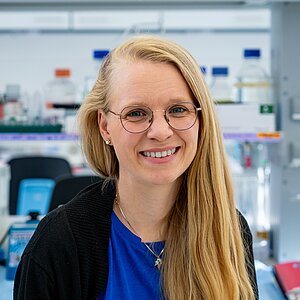

Ahmed worked as a clinical pharmacist at the Children’s Cancer Hospital 57357 in Egypt. In 2023, he obtained his master’s degree in molecular biology, an inter-university programme among KU Leuven, Vrije Universiteit Brussels, and the University of Antwerp. In 2022, he did a summer internship at the Fendt Lab for cancer metabolism. During his master’s thesis, he was involved in the development of a biosensor for the detection of hydrogen peroxide inside the cell at the Messens Lab for redox signalling. In August 2023, Ahmed joined the Greten Lab as a Ph.D. student to investigate the molecular mechanisms in the tumour microenvironment of colorectal cancer.

Leoni received her Bachelor’s degree in Biology from the Technical University of Darmstadt, where she investigated immunogenicity of cell death at the GSI Helmholtz Center for Heavy Ion Research for her thesis. In her Master thesis in the group of Dr. Tatarova, she explored histopathology staining methods and bioinformatic tools to study resistance mechanisms in the breast cancer tumor microenvironment. After receiving her Master degree, Leoni continues with her project as PhD student in the lab with a DKTK CORTEX fellowship aiming to develop an analytical platform to predict immunotherapy response and resistance in breast cancer patients. Leoni joined the laboratory in September 2023.
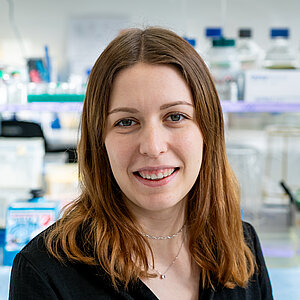

Ryan earned his binational bachelor’s degree in molecular and cellular biology in both the university of Strasbourg and the university of Saarland and wrote a bachelor thesis in the lab of Prof. Dr. Sandra Iden on skin resident cell polarity under metabolic and redox alterations. During his masters, he studied developmental and stem cell biology at the university of Heidelberg, and joined the lab of Prof. Dr. Sergio Acebrón to complete his master thesis on the topic of cell signalling and crosstalk in colorectal cancer. In October 2025, Ryan joined the Seehawer lab as a doctoral researcher to investigate the early development of breast cancer under histone modifiers and epigenetic dysregulations.


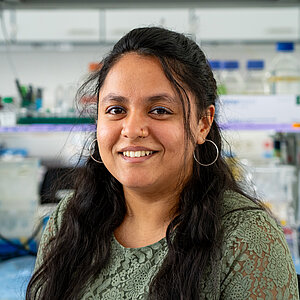
Haifa obtained her Bachelor's and Master's degrees in Biotechnology from the University of Mumbai, India. She later moved to Germany in 2021 to pursue a second Master's degree in Molecular Medicine at the University of Tübingen. After completing her internship at Roche in Penzberg, she joined NCT-Dresden as a technical assistant, where she worked on patient-derived tumor organoids and spheroids. In June 2025, she joined the Farin group as a technical assistant in the FCI Organoid Biobank.
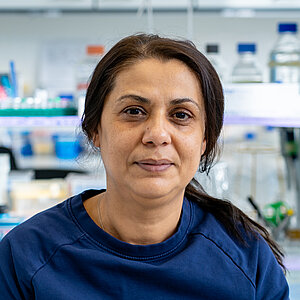


Dr. Marina Pešić graduated at University of Belgrade (Serbia), Faculty of Biology in 2007. During her diploma thesis she worked in Prof. Jelena Milasin’s laboratory of Cytogenetics and Molecular Genetics, Institute of Biology and Human Genetics, School of Dentistry, University of Belgrade (Serbia). In 2008, she started PhD in Prof. Lars Zender’s group at the Helmholtz Centre for Infection Research in Braunschweig before moving with the group to University Hospital Tübingen. During her PhD work she was applying RNAi based functional genetic and genomic approaches to study liver cancer and liver regeneration. She was involved in the development of transposon based stable shRNA technology that can be used to conduct pooled shRNA screens directly in vivo. She joined the Greten lab as a Postdoc in 2014. She is currently working on the functional identification of new modulators of metastasis in colon cancer.


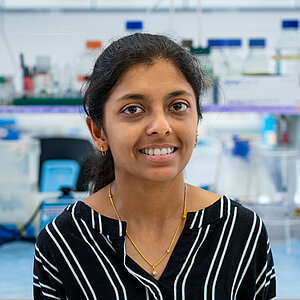
Mrinalini Radhakrishnan completed her Bachelor’s degree in Electronics and Instrumentation Engineering in India, followed by a Master’s degree in Biomedical Engineering at Kaunas University of Technology in Lithuania. She worked for three years as Biomedical Technologist in the pathology laboratory at the National Center of Pathology (Valstybinis patologijos centras, VPC) in Vilnius, Lithuania and is currently working as a Technical Assistant in Histology at Georg-Speyer-Haus in Frankfurt. Her professional interests include histology, immunohistochemistry, molecular pathology, and laboratory diagnostics.


Dr. Birgit Ritter studied Biology at Friedrich Schiller University Jena. In 2010, she began her doctoral research in the laboratory of Falk Nimmerjahn at the University of Erlangen, where she investigated the role of effector cells in antibody-based melanoma therapy. Following a postdoctoral research period focused on antibody therapy for colitis, she joined the Greten laboratory as a staff scientist in 2016. Her responsibilities include managing the human colorectal cancer (CRC) biobank, coordinating scientific projects, and preparing regulatory and ethics approval applications. Since 2018, she has also been serving as the head of the Histology core facility.

Sandra Rogala graduated in Biosciences at Goethe University Frankfurt am Main and worked in the research group of Prof. Dr. Koessl for her bachelor’s thesis and in the group of Dr. Momma for her master’s thesis on the effect of cell-cell communication through extracellular vesicles on glioblastoma. She conducted her PhD thesis in the research group of Dr. Phillip Grote on lncRNAs in the cardiovascular system. Since 2023 she joined the lab as a postdoc and focuses on lncRNAs in the tumor microenvironment of acute myeloid leukemias to identify potential lncRNAs as drug targets.

Eva received her training as a medical technical assistant in 1999 in Würzburg and joined the Georg-Speyer-Haus in 2005.


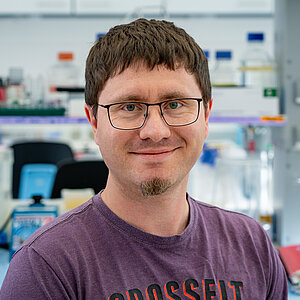
Dr. Jonathan Schupp is Staff Scientist at the Frankfurt Cancer Institute Immunomonitoring Platform. Within this platform, he is a member of the Core Facility Spatial Biology Lab at the GSH. He completed his studies in Biomedical Chemistry as a Diplom-Chemiker at Johannes Gutenberg University Mainz and subsequently earned his doctorate at the University Medical Center Mainz in the laboratory of Prof. Andrea Tüttenberg within the framework of the Collaborative Research Center 1066 “Nanodimensional Polymeric Therapeutics for Tumor Therapy.” He then moved to the Edinger Institute in Frankfurt, Germany’s oldest brain research institute, in January 2021, where he worked as an FCI Staff Scientist supporting other scientists through the operation of research infrastructure. In January 2026, he moved in the same role to the Georg-Speyer-Haus to support the establishment of the Spatial Biology Core Facility there.

Marco studied in Braunschweig and Tuebingen in Germany focusing on cell biology and cancer. He started his PhD in 2014 in Tuebingen in the Lab of Prof. Dr. Lars Zender working on the influence of the microenvironment on epigenetically driven tumor plasticity. Deepening his interest in cancer epigenetics, in 2020 he joined the lab of Prof. Dr. Polyak at Harvard Medical School/Dana-Farber-Cancer Institute in Boston, US. Supported by his EMBO Postdoctoral Fellowship, he explored mechanisms of mutations in histone modifier leading to metastases and targeted prevention therapies.


Dr. Christoph Steup studied medicine at the University of Ulm and obtained his medical degree in 2020. During his thesis, Christoph investigated the role of Protein kinase D1 in progression and metastasis of pancreatic ductal adenocarcinoma in Prof. Dr. Thomas Seufferleins Lab in Ulm. Since 2020 he is working as a physician at the Medical Clinic 1 at the University Hospital of Goethe University in Frankfurt. Christoph joined the Greten Lab in 2023 as a Clinician Scientist. He is investigating mechanisms of resistance to immunotherapy in colorectal cancer.

Sara Stier has obtained an education as research technician in Wiesbaden and subsequently studied biology at the Technical University of Darmstadt, where she obtained her bachelor’s degree. Now she has joined the team to support the drug-screening assays as part of the EU-project “EUbOPEN”.


Despina obtained a B.Sc. in Informatics from TU Clausthal and an M.Sc. in Computer Science from Goethe University Frankfurt. At Hessian.AI, her Master’s thesis focused on mitigating shortcut learning in deep neural networks for medical imaging. During her master’s, she worked at Fraunhofer ITEM, developing ML-based anonymization methods and bioinformatics tools for preclinical data analysis. In May 2025, Despina began her Ph.D. in the Arkan Lab, focusing on the intersection of machine learning, cancer biology, and the microbiome. She uses interpretable AI, statistical modeling and causal inference to study how tumor-host-microbiome interactions, including circadian dynamics, affect cancer progression and treatment response. Her work aims to identify biomarkers and build predictive tools for personalized oncology.

Mélanie completed her PhD in Nice, France, at the INSERM U1065/C3M institute, working in the laboratory of Sophie Tartare-Deckert, where she studied the metastatic potential of cancer cells. Notably, they identified the matricellular protein SPARC, secreted by melanoma cells, as a microenvironmental mediator that promotes metastasis. She then conducted postdoctoral research in the laboratory of Douglas Hanahan at EPFL in Lausanne, Switzerland, focusing on the tumor microenvironment (TME). Her work centered on understanding susceptibility, innate and acquired resistance to therapies, and the mechanisms behind immunosuppressive barriers in cancer, using various genetically engineered mouse models (GEMMs). In 2024, she joined Georg-Speyer-Haus to establish her own research group. Her lab explores immunoregulatory mechanisms within the TME and therapy resistance, using models of melanoma, glioma, and pancreatic cancer.

Dr. Irene Tirado-Gonzalez
Transgenic Specialist
Buenas! I am Irene from Spain. I have a Master in Integrated Quality Management for the Prevention of Environmental and Occupational Risks, as well as a Master in Reproductive Medicine and a PhD in Molecular and Cellular Immunology from the University of Granada (Spain), where I characterized the dendritic cells and NK cells from maternal tissue isolated from spontaneous abortions. In 2008, I moved to Berlin and worked as a postdoctoral fellow in the Department of Internal Medicine at the Charité Hospital in Berlin. From February 2015 I worked in the group of Dr. Medyouf at GSH and since 2023 in the Transgenic Core Facility. There I am responsible for the generation of transgenic mice and manage all aspects around transgenic services.

Mike received his PhD in mathematics from the University of Exeter in the UK, before transitioning to computational cancer biology. He pursued a postdoc in the lab of Itay Tirosh at the Weizmann Institute of Science in Israel, studying intra-tumour heterogeneity using single-cell and bulk RNA-seq. He joined GSH in September 2024 as a junior group leader. His lab applies data integration approaches to study the changes in cellular heterogeneity during tumour progression.
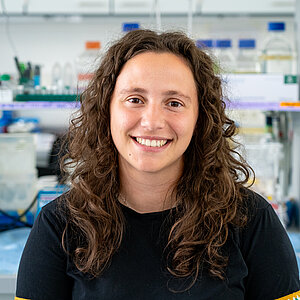
Carmen obtained her Bachelor's degree in Biotechnology from the Universidad Politécnica de Madrid, Spain. She then moved to Germany to pursue a Master's degree in Molecular Biology at the Technical University of Darmstadt. For her Master's thesis, she joined TRON (Translational Oncology Mainz), where she worked under the supervision of Dr. Fulvia Vascotto on in vitro neoantigen-specific TCR screening and T cell metabolism modulation. After completing her Master's degree, she remained in the same research group as a Research Assistant for one year. Her research focused on improving adoptive cell transfer therapies, particularly TCR-T cell therapy, through the metabolic reprogramming of T cells to enhance their survival and anti-tumor activity. Since 2026, she has been a PhD student in the research group of Dr. Máté Kiss at the Georg-Speyer-Haus, where she investigates the role of neutrophils within the tumor microenvironment.
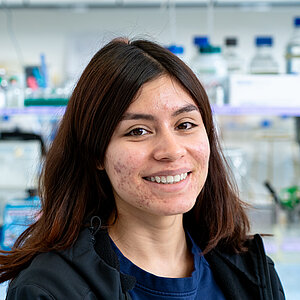


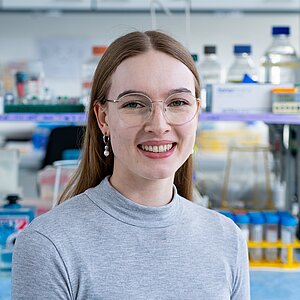
Ann-Kathrin completed her Bachelor's and Master's degrees in Biomolecular Engineering at the Technical University of Darmstadt between 2020 and 2025. During her studies, she spent an Erasmus semester in 2024 at the Norwegian University of Science and Technology in Trondheim.
As part of a research internship and her Master's thesis, she spent ten months at the Paul Ehrlich Institute in Langen in the laboratory of Prof. Dr. Christian Buchholz. There she worked on AND-gated chimeric antigen receptors (CARs), investigating their dual antigen-specific activation and cytotoxic efficacy in vitro in the context of CAR T cell therapy.
Since December 2025, Ann-Kathrin has been working as a doctoral researcher in the laboratory of Prof. Dr. Florian Greten at the Georg Speyer Haus in Frankfurt, where she is conducting research into new therapeutic approaches for colorectal carcinoma.

Maresa received her training as a biological technical assistant in Überlingen/Bodensee. She joined the Georg-Speyer-Haus in 1999. In 2016 she switched to the Medyouf-Group to assist lab members in project related experiments and mouse colonies management.

Patrick Wisser studied Biology at TU Darmstadt, where he earned his Bachelor's degree, and completed his Master's degree in Biomedical Sciences at Johannes Gutenberg University Mainz. In his Master's thesis, he investigated the phenomenon of trogocytosis between TCR/CAR T cells and tumor cells. Following a six-month research stay in Oslo, he joined the Farin Lab as a Doctoral Researcher. As part of the Collaborative Research Centre (CRC) TRR 417, his research focuses on investigating the barriers posed by the tumor microenvironment and stromal cells to CAR T cells using multicellular 3D organoid models.

Yishu completed her Bachelor's degree in Biology at Beijing Normal University and pursued a Master's program in Immunology at the University of Zurich. During her Master's thesis, she delved into cancer immunology. Following an internship in biomedical engineering at ETH Zurich, she joined the Tatarova lab as a PhD student in February 2024, where her research centers on cancer stem cells and investigating the role of innate and adaptive immunity in breast cancer therapy resistance.

Ceyda finished her bachelor's degree in molecular biology and genetics at Yildiz Technical University in Istanbul, Türkiye. She obtained her Biosciences Master's degree from the University of Würzburg with a strong emphasis on Molecular and Computational Biology. For her master's thesis, she investigated the impact of the Influenza A virus infection and Chronic Obstructive Pulmonary Disease on human respiratory tissue models through single-cell RNA-seq data. Her current work at Mike Tyler's lab focuses on the analysis of cancer progression from early malignant state to metastasis via scRNAseq.

Yuan Zhou
Doctoral Researcher (Goethe University Frankfurt)
Yuan is from China, where she completed her medical degree at Peking University and obtained her medical license. She then completed her Master’s degree in Translational Medicine at the University of Barcelona, focusing on a 3D spheroid co-culture model for HNSCC. In October 2025, she joined AG Farin as a Dr. med. candidate, where her work focuses on CAR-NK cell immunotherapy in HNSCC.
