120 Years of Research at the Georg-Speyer-Haus
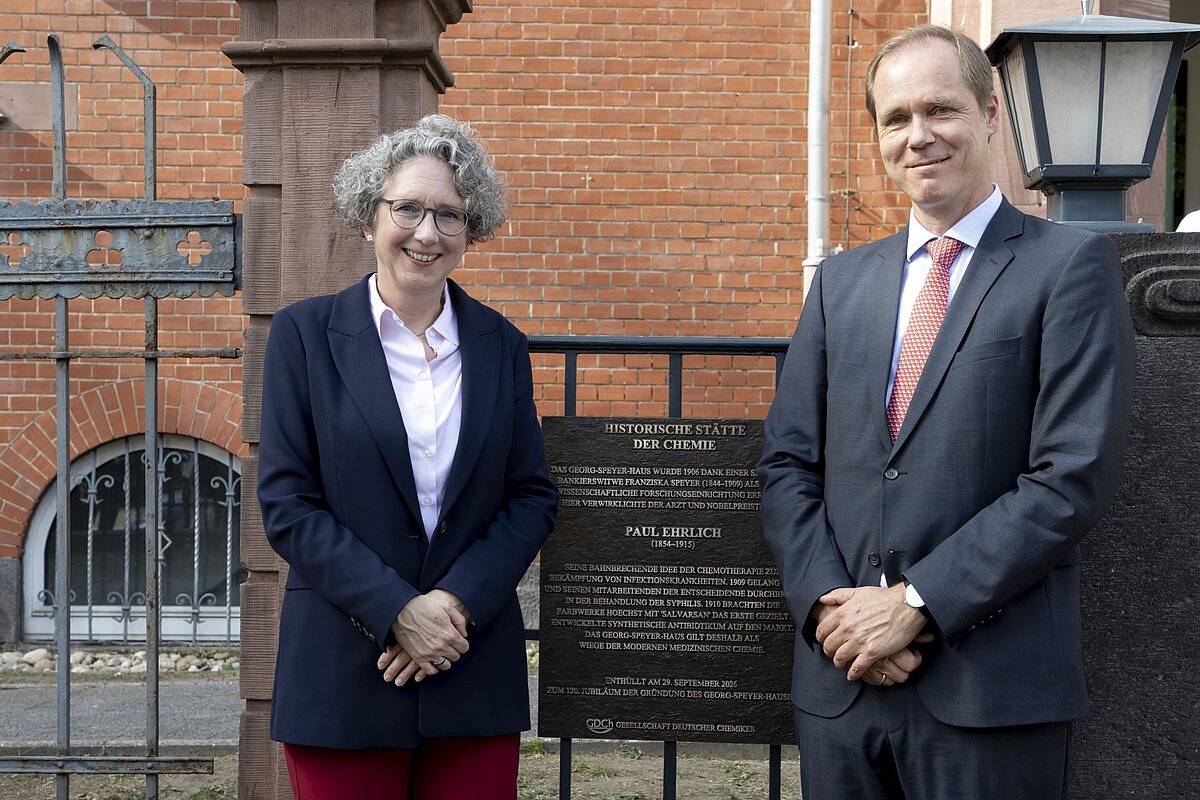
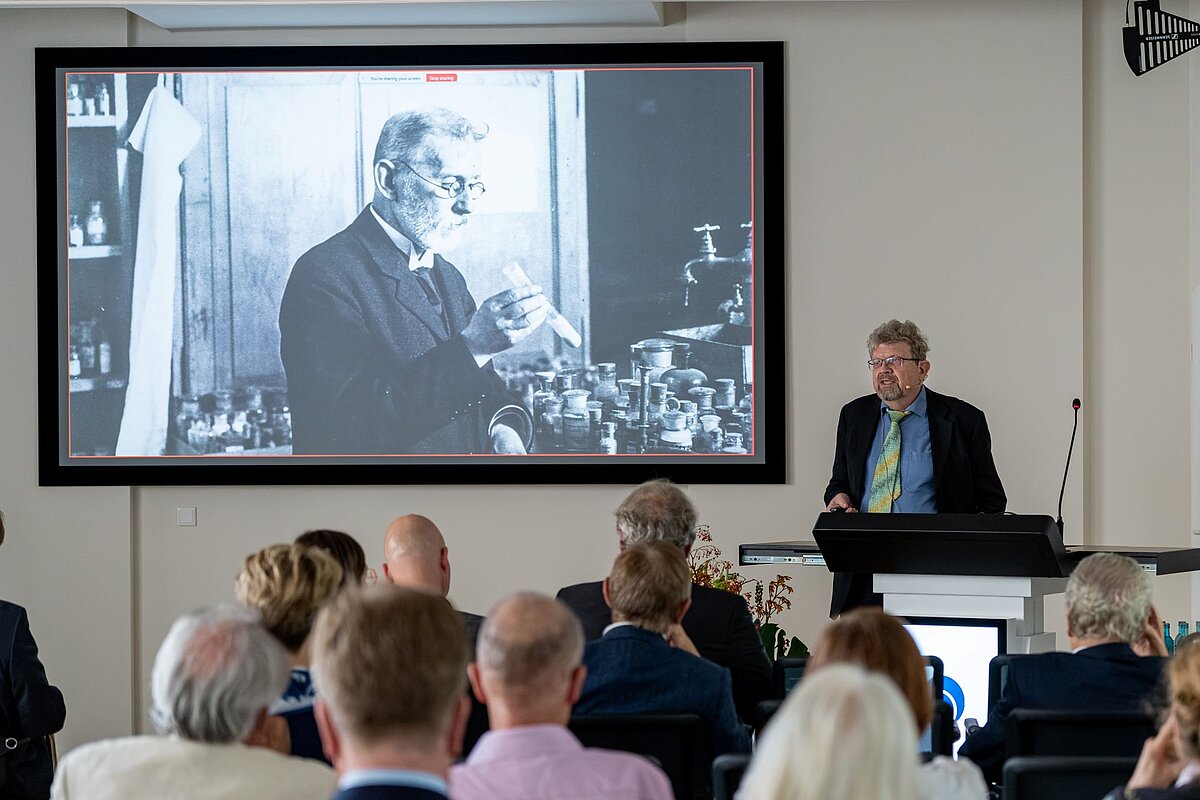
At the beginning of the last century, researcher and Nobel laureate Paul Ehrlich (1854–1915) established the foundations of experimental cancer research here in Frankfurt. The Georg-Speyer-Haus was opened in 1906 to support his research. It was here that Paul Ehrlich developed Salvarsan, the first modern chemotherapeutic drug, which was specifically used to treat syphilis. To mark the 120th anniversary of the institute and of cancer research in Frankfurt am Main, the Georg-Speyer-Haus, today the Institute for Tumor Biology and Experimental Therapy, joined forces with the University Cancer Center (UCT) Frankfurt to host this year’s Frankfurt Cancer Conference, which took place from September 2 to 4, 2026. On September 29, 2026, the Georg-Speyer-Haus was ceremonially inaugurated as a “Historic Site of Chemistry” by the German Chemical Society (GDCh).
The Georg-Speyer-Haus was founded in 1906 as the Chemotherapeutic Research Institute Georg-Speyer-Haus to provide a dedicated research facility for Paul Ehrlich, its first director. Franziska Speyer, widow of Frankfurt patron and benefactor Georg Speyer, initiated the private foundation with a generous donation. The Georg-Speyer-Haus, located next to the Royal Institute of Experimental Therapy, was ceremonially opened on September 3, 1906, and handed over to Paul Ehrlich.
In 1909, Paul Ehrlich discovered Salvarsan, an arsenic-containing compound that was the first effective treatment for the sexually transmitted disease syphilis, revolutionizing medicine. Neosalvarsan, developed shortly thereafter and easier to administer, was used worldwide for more than fifty years. Paul Ehrlich’s central aim of developing active compounds that would act as “magic bullets” to specifically target disease-causing pathogens and cells without damaging healthy tissue continues to be reflected in modern cancer research and precision medicine. Over the decades, the institute’s scientific focus evolved, with increasing emphasis on immunological and immunotherapeutic research.
Today, 120 years after its foundation, the Georg-Speyer-Haus continues Paul Ehrlich’s legacy as the Institute for Tumor Biology and Experimental Therapy under the leadership of its current director, Prof. Dr. Florian Greten. Its scientific focus is on investigating the molecular and cellular mechanisms underlying tumor development. Particular attention is paid to the tumor microenvironment, where cancer cells communicate, among other things, with cells of the immune system and with the microbiome. With around 100 employees, the Georg-Speyer-Haus translates findings from basic research into improved and novel therapeutic approaches in collaboration with clinical partners.
Historic Site and Modern Cancer Research
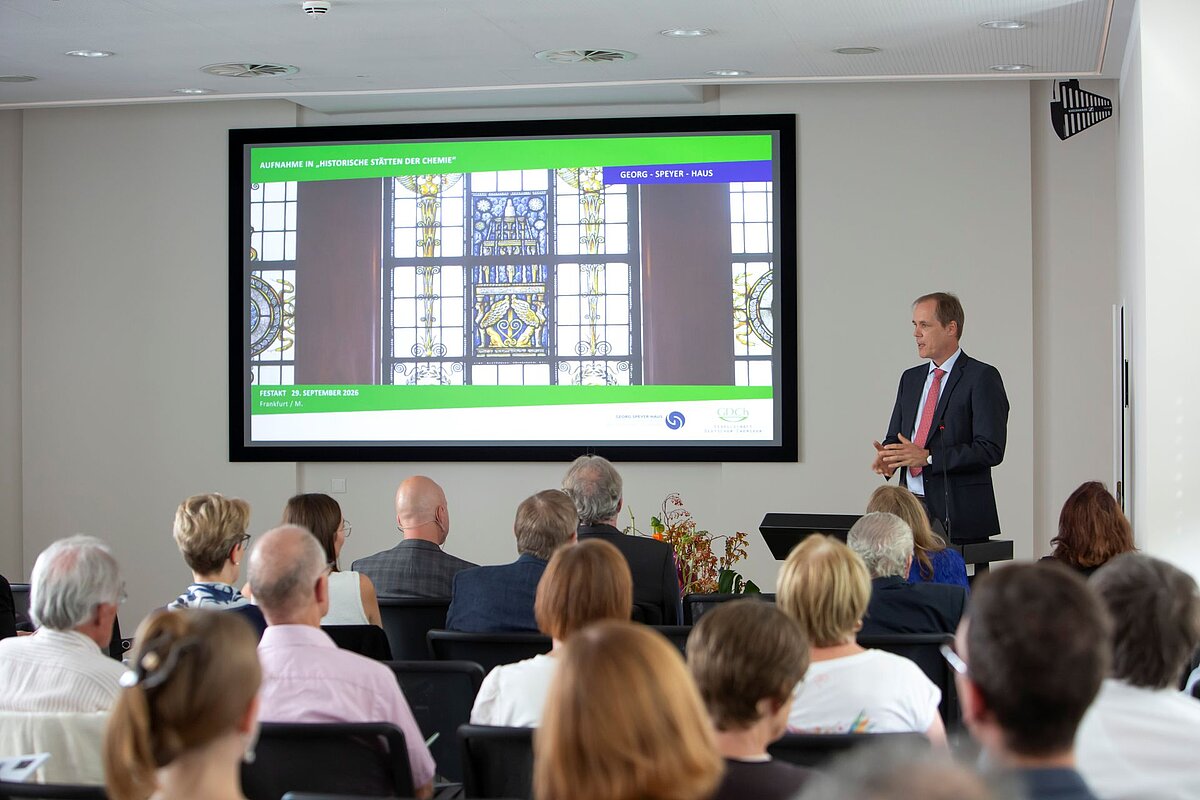
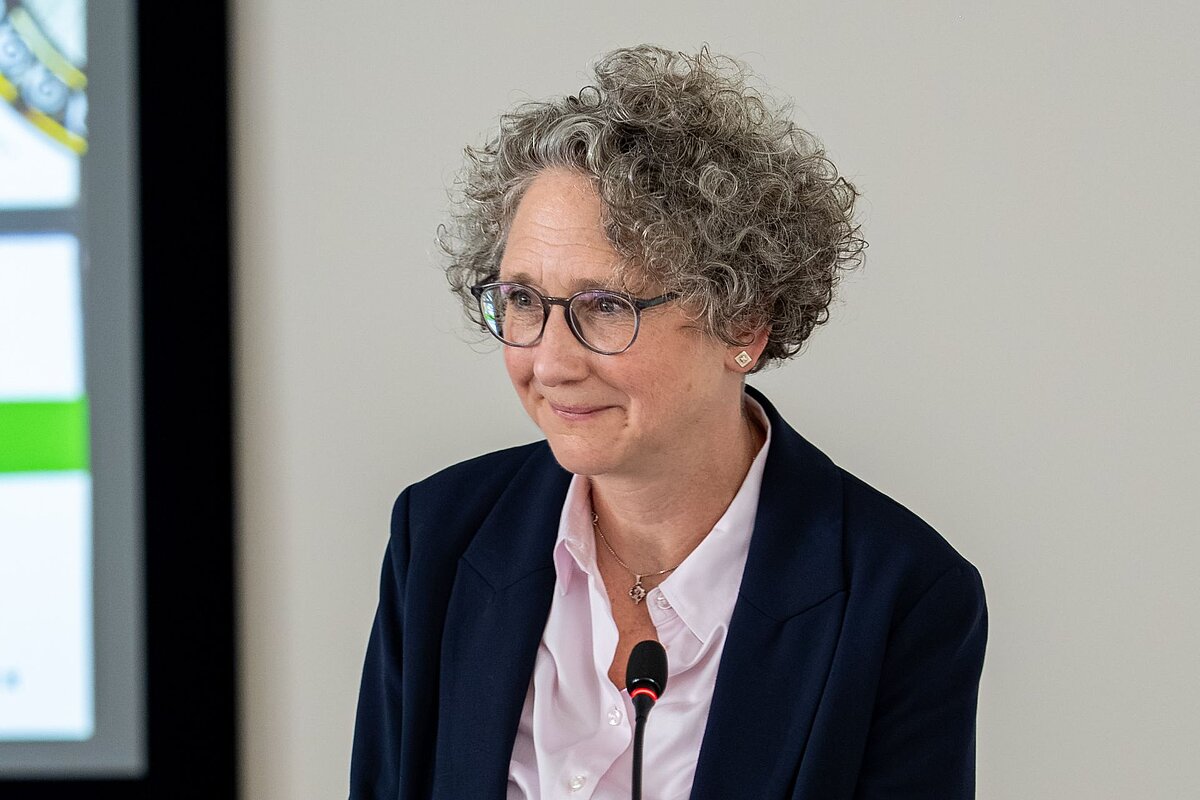
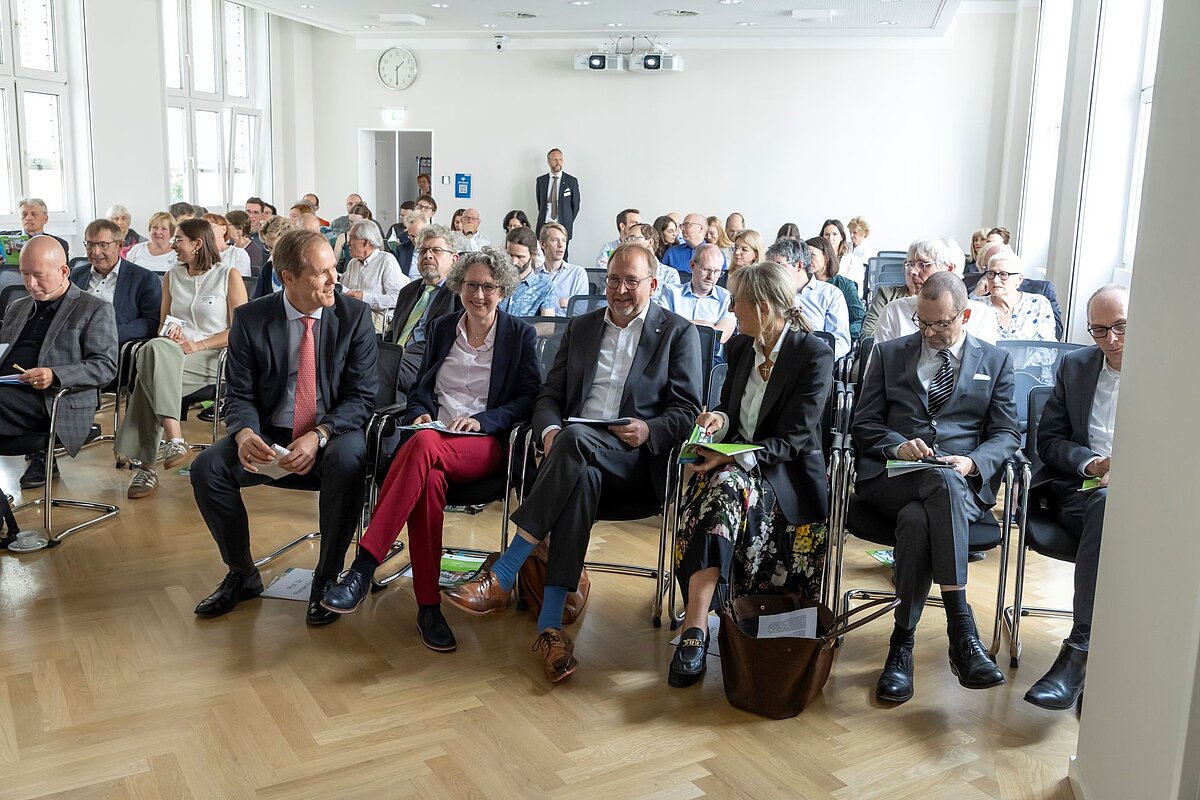
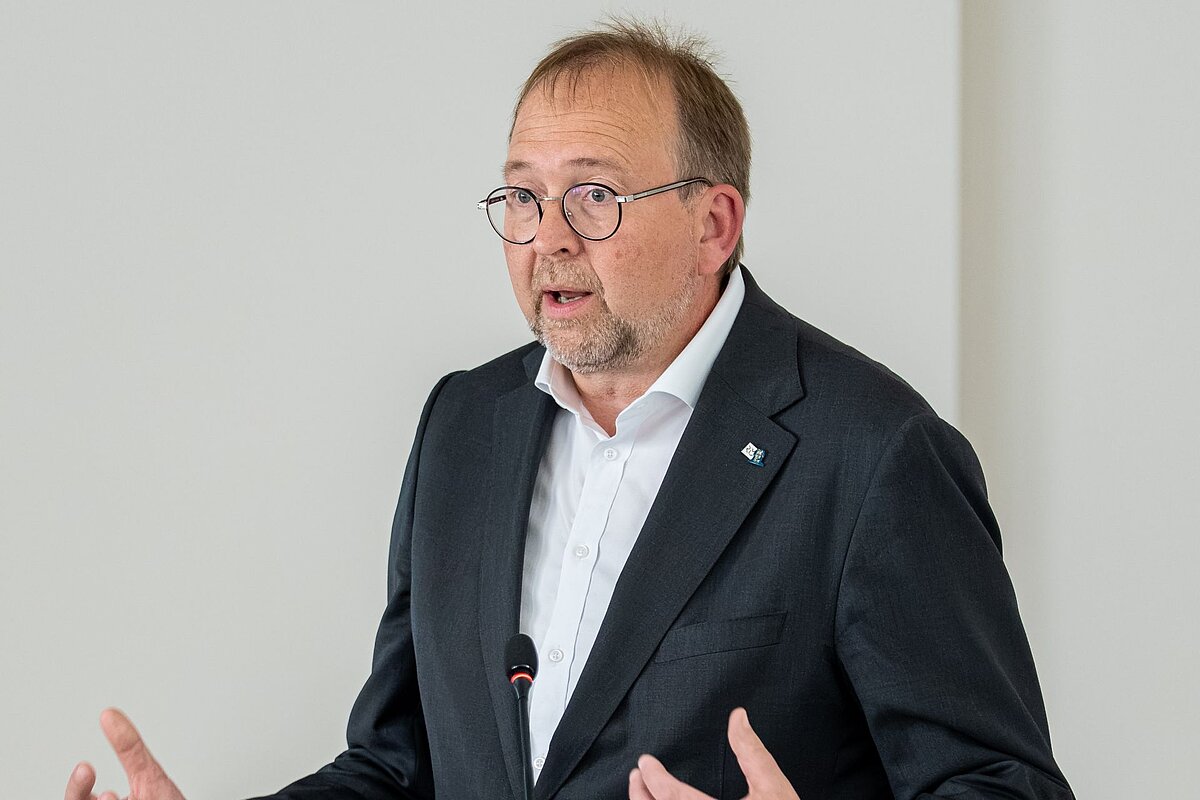
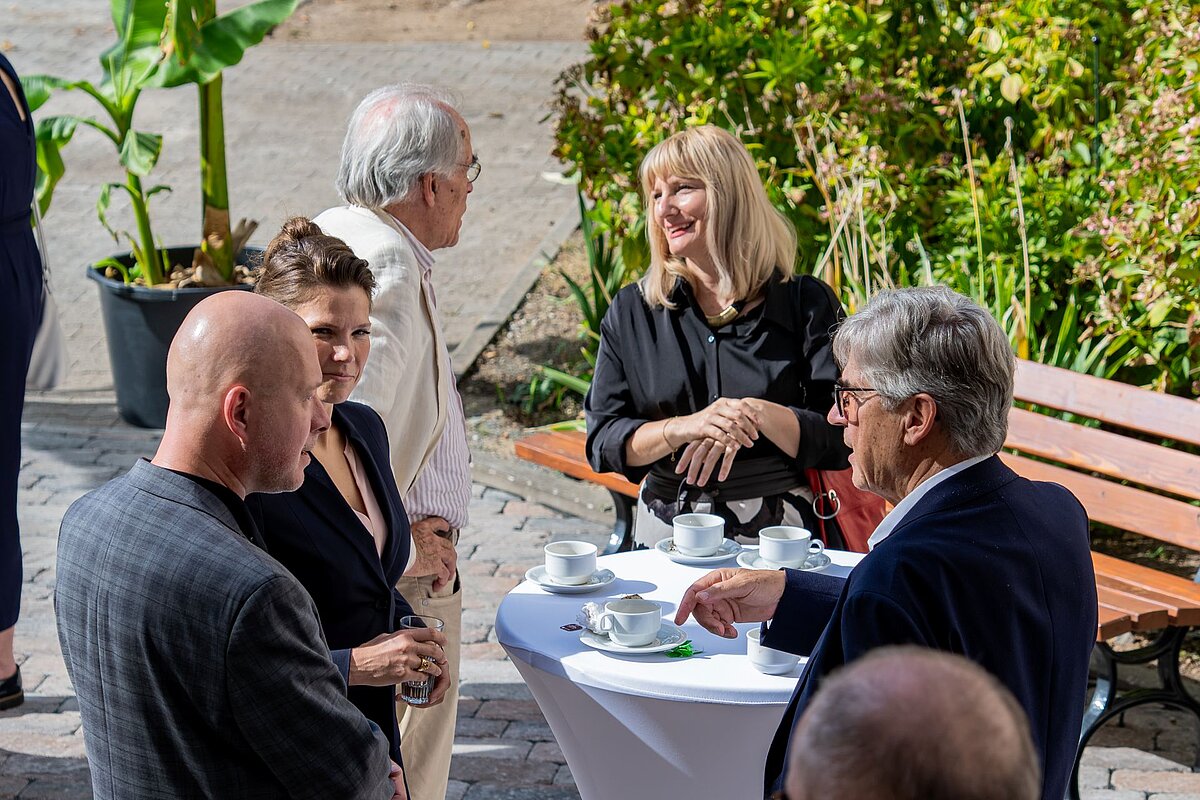
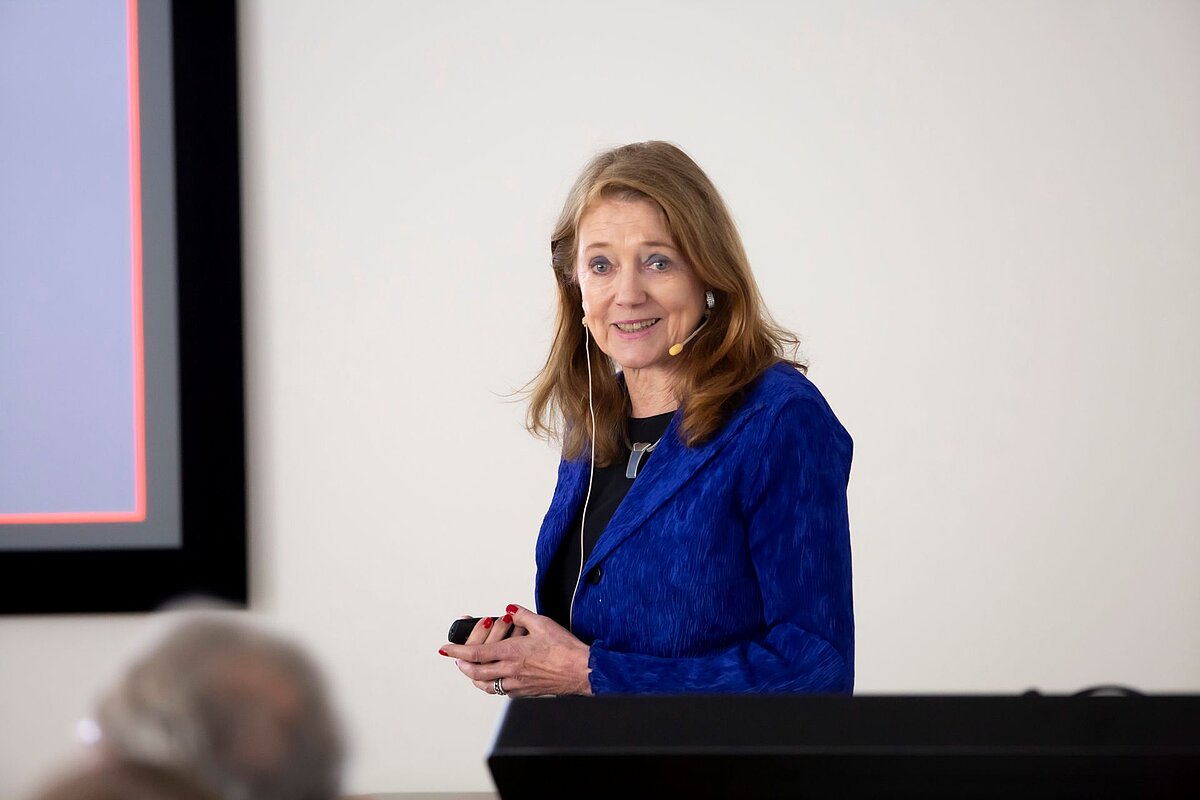
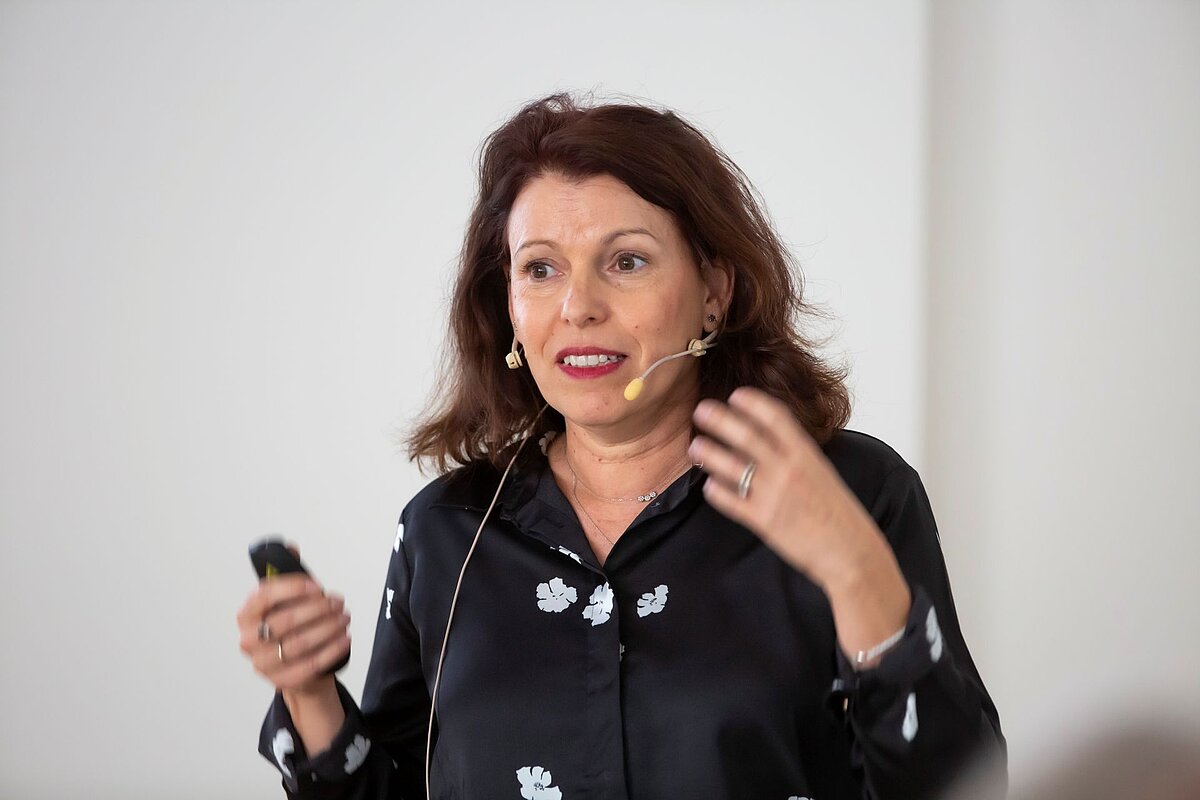
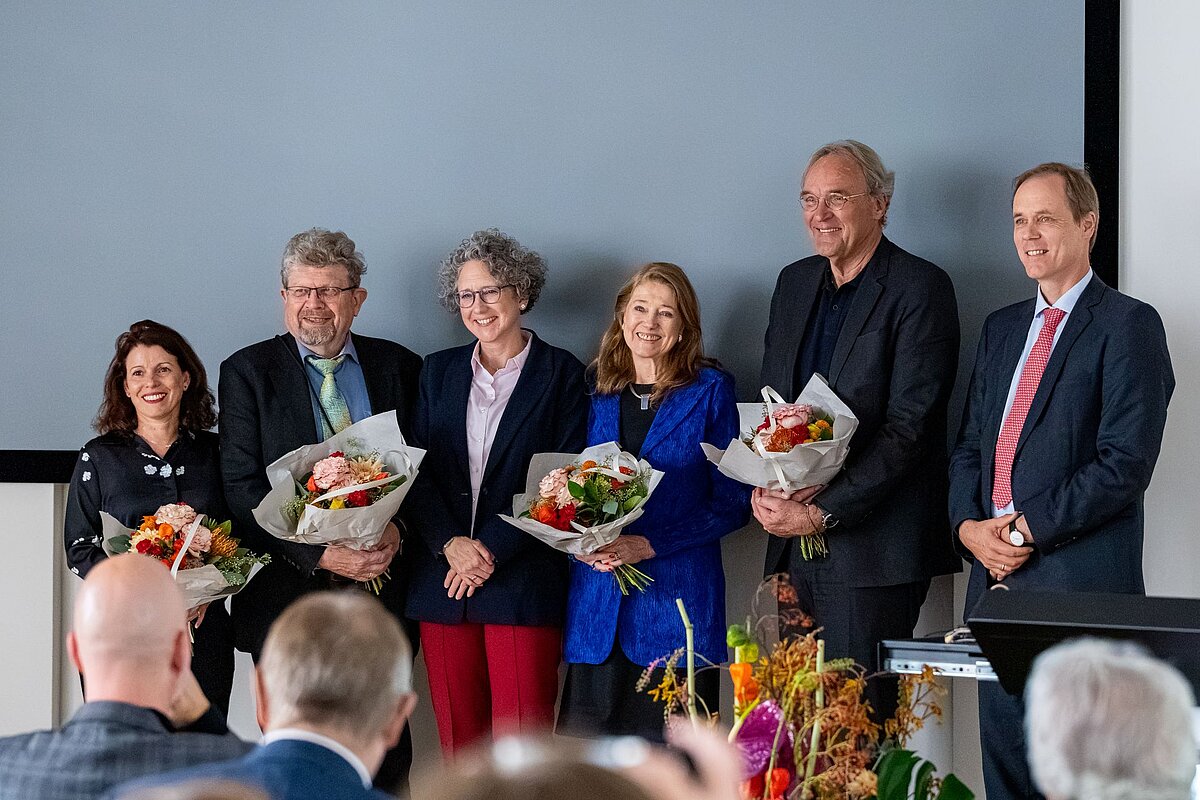
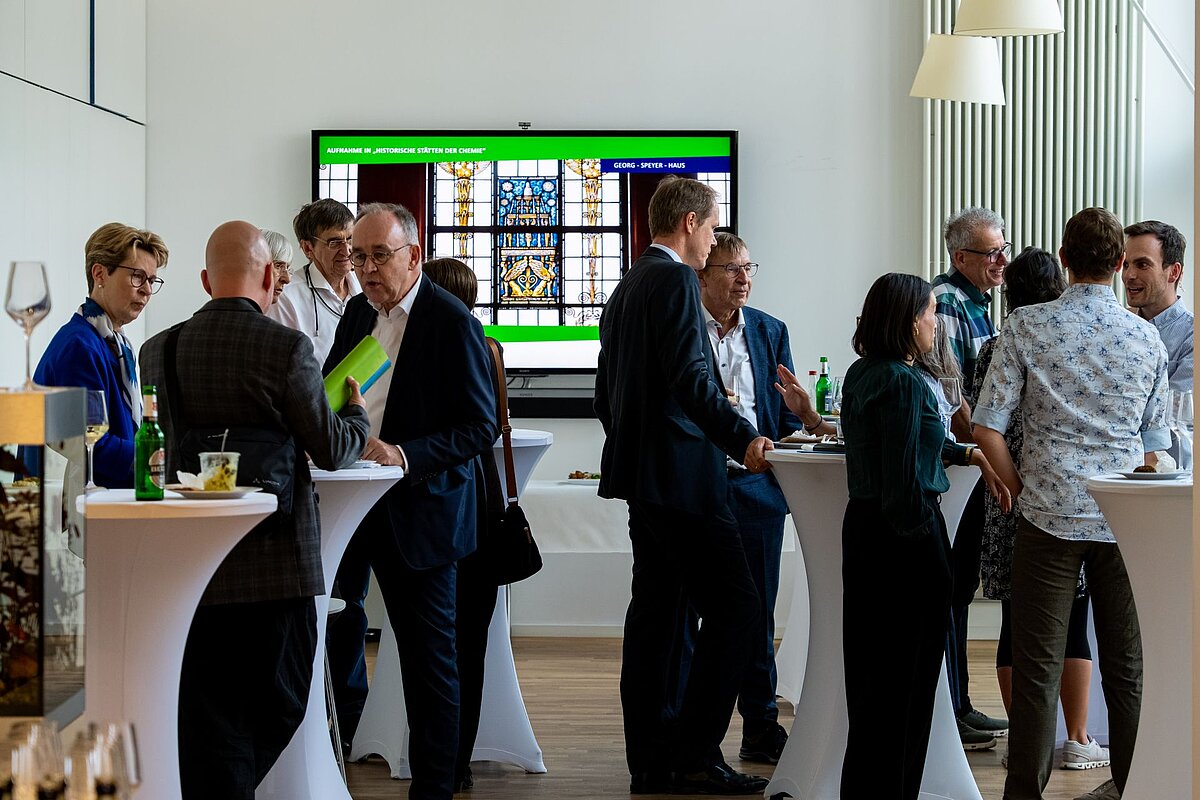
As part of its 120th anniversary celebrations, the German Chemical Society (GDCh) included the Georg-Speyer-Haus in its “Historic Sites of Chemistry” program on September 29, 2026 (https://www.gdch.de/en/historic-sites), which commemorates achievements of historical significance in chemistry. Numerous guests from academia, politics, and society gathered at the Georg-Speyer-Haus for the inauguration ceremony, during which GDCh President Prof. Dr. Ruth Bieringer and Institute Director Prof. Dr. Florian Greten unveiled the commemorative plaque. The ceremony included welcoming addresses by Prof. Dr. Florian Greten; Martin Bollert, member of the Board of Trustees of the Georg-Speyer-Haus; Prof. Dr. Enrico Schleiff, President of Goethe University Frankfurt am Main; Prof. Dr. Stefan Vieths, President of the Paul-Ehrlich-Institut; Prof. Dr. Ruth Bieringer; and City Councilor Ina Hauck, as well as a historical review and a series of scientific presentations. Timon Gremmels, Hessian Minister for Science and Research, Arts and Culture, addressed the guests in a video message.
Under the motto “Translating Paul Ehrlich’s Magic Bullet into Novel Targeted Therapies,” the Georg-Speyer-Haus also hosted the 4th Frankfurt Cancer Conference from September 2 to 4, together with the University Cancer Center (UCT) Frankfurt and its associated research networks. Around 300 participants from the research and clinical practice in Europe, the United States, and Canada attended the international conference at Goethe University Frankfurt’s Westend Campus. In numerous presentations and more than 100 scientific posters, participants discussed current developments and challenges in cancer research and treatment. Further information is available at http://www.frankfurtcancerconference.org/.
Copyright photos: GDCh/Uwe Dettmar, Frankfurt & GSH/Constantin Menche